Radon Mitigation Strategies for a Residential Property
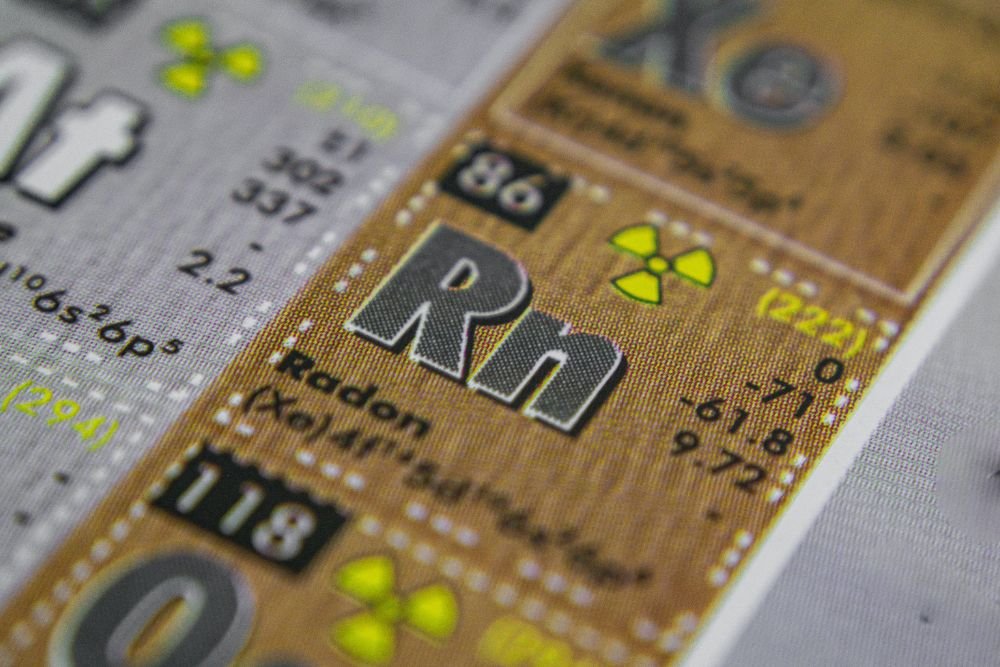
You’ve probably heard of carbon monoxide and smoke detectors, but there’s another invisible gas that could be present in your home: radon. Radon is a harmful gas that comes from the uranium in soil, rock, and water. It leaks into homes through cracks and openings in the foundation, and over time, exposure can pose health risks.
Fortunately, if tests show elevated radon levels in your home, you can take effective steps to reduce them. We’ll explore some common and effective radon mitigation strategies for a residential property to ensure your home’s air is safe and clean.
Active Soil Depressurization (ASD)
The most common and reliable radon reduction method is Active Soil Depressurization (ASD). This strategy creates a vacuum beneath your home’s foundation, which pulls the harmful radon gas from the soil and redirects it outside before it can enter your living space.
A radon mitigation professional installs a system that typically involves:
Drilling a small hole in your foundation (usually in the basement or slab).
Creating a small pit beneath the hole to help collect the gas.
Inserting a PVC pipe into the hole that runs up and out of your home, usually through the roof.
Attaching an in-line fan to the pipe to actively draw the radon gas from under the foundation and expel it safely outdoors.
A monitoring device, called a U-tube manometer, is attached to the pipe so that you can easily see if the system and fan are operating correctly.
Sealing Cracks and Openings
While sealing cracks is not a standalone solution, it’s an important secondary step that supports the primary mitigation system. Radon gas enters through openings in your home’s foundation. By sealing these entry points, you can significantly reduce the amount of gas seeping inside.
A professional will inspect your foundation, walls, and floors for any potential gaps and seal them with high-quality caulk or other appropriate materials. Common areas that need sealing include:
Cracks in the foundation floor and walls
Gaps around service pipes and utility lines
Floor-to-wall joints
Openings around sump pumps
Sealing these gaps makes your primary mitigation system, such as ASD, more efficient and effective. If you find high levels of radon in your home, you need radon mitigation in your home to protect your health.
Heat Recovery Ventilator (HRV)
Another strategy is to use a Heat Recovery Ventilator (HRV), also known as an air-to-air heat exchanger. This system increases ventilation by bringing fresh, filtered air from the outside while exhausting stale, radon-laden air from inside.
The heat recovery aspect means that in winter, the system warms the incoming fresh air with heat from the outgoing air. In the summer, it does the reverse and cools the incoming air. This process makes the system more energy-efficient than simply opening windows. An HRV is a great option for homes that are tightly sealed or when other methods are not feasible.
Finding out your home has high radon levels is unsettling, but it’s a problem with a clear solution. By working with a certified radon mitigation professional, you can choose the best strategy for your property. These systems are effective, run quietly, and provide peace of mind that you are breathing cleaner, safer air. Residential properties demand careful consideration and effective radon mitigation strategies to ensure safety.