Things That Prolong the Life of Your Roof Decking
Buying a home represents a massive financial milestone. You want to build equity and keep maintenance costs low over the years. While most homeowners focus on the visible shingles, the real strength lies underneath.
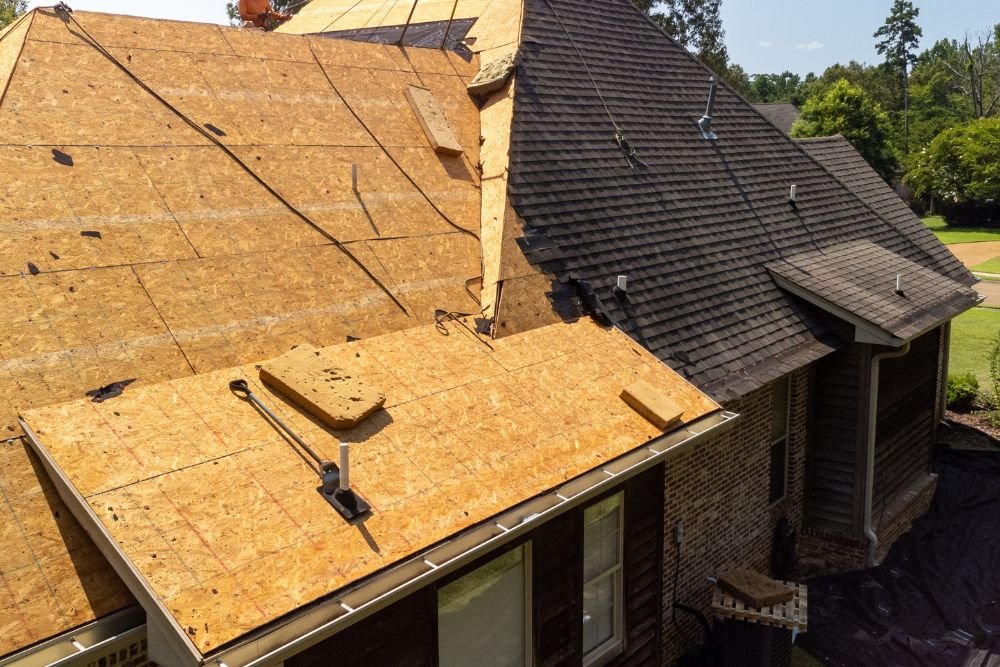
Roof decking, the wooden boards that span your rafters—also called sheathing—supports the entire roofing system. If this layer fails, you face expensive structural repairs that eat into your home’s value. These are the things that prolong the life of your roof decking.
Ensure Proper Attic Ventilation
Heat and moisture act as the primary enemies of wooden roof decking. During the summer, your attic traps immense heat. In the winter, warm, moist air from your living space rises into the cold attic. Without proper airflow, this moisture condenses on the underside of the decking. Over time, this dampness causes the wood to rot, delaminate, or warp.
You must make sure your roof has a balanced system of intake and exhaust vents. Soffit vents allow cool air to enter at the bottom, while ridge or box vents allow hot, moist air to escape at the top. This continuous airflow keeps the decking dry and extends its lifespan significantly.
Install High-Quality Underlayment
Shingles shed water, but they do not make a roof completely waterproof. Wind-driven rain or ice dams can force water underneath the shingles. Your underlayment serves as the final line of defense for the wood decking.
When you replace a roof, insist on synthetic underlayment rather than traditional felt paper. Synthetic materials resist tearing and repel water far better than organic felt. This barrier prevents water from touching the wood, even if a shingle blows off during a storm.
Keep Gutters Clean and Flowing
Clogged gutters destroy roof decking specifically around the edges of your home. When leaves and debris block water flow, the water backs up and sits against the fascia board and the edge of the roof deck. This constant contact with water rots the wood quickly.
You should clean your gutters at least twice a year. Make sure the downspouts direct water away from the foundation. By keeping the drainage system flowing, you protect the perimeter of your roof decking from saturation and rot.
Schedule Routine Inspections
Catching problems early saves your decking. A small leak might not show up on your ceiling immediately, but it will soak the decking every time it rains. When you look into everything you need to know about roof decking, moisture management always appears as the top priority.
You or a professional roofer should inspect the roof annually. Look for the following warning signs:
Cracked, curled, or missing shingles
Dark streaks or moss growth
Granules accumulating in the gutters
Sagging areas on the roofline
Rust spots on metal flashing
Trim Overhanging Tree Branches
Trees provide shade, but branches that hang over your roof pose a threat. As the wind blows, these branches scrape against the shingles, wearing away the protective granules. Furthermore, trees drop leaves and needles that trap moisture against the roof surface.
Trim any branches that hang within six feet of your roof. This simple step prevents physical damage and allows sunlight to dry the roof surface after a storm, reducing the risk of mold and rot affecting the decking below.
Your roof decking ties the structure of your home together and it’s important to prolong its life. By prioritizing ventilation, waterproofing, and regular maintenance, you ensure the wood stays strong for decades. Smart maintenance protects your wallet and preserves the equity in your home.