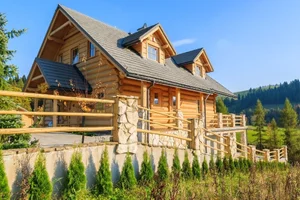
Owning or managing an older property comes with its charm, whether it be unique architectural details, sturdy builds, and a sense of history. However, these properties also require special attention to ensure their safety and longevity. Whether you're maintaining an inherited home or investing in a fixer-upper, understanding how to safely inspect and maintain older properties is essential for preserving both their integrity and your peace of mind.
Conducting a Thorough Property Inspection
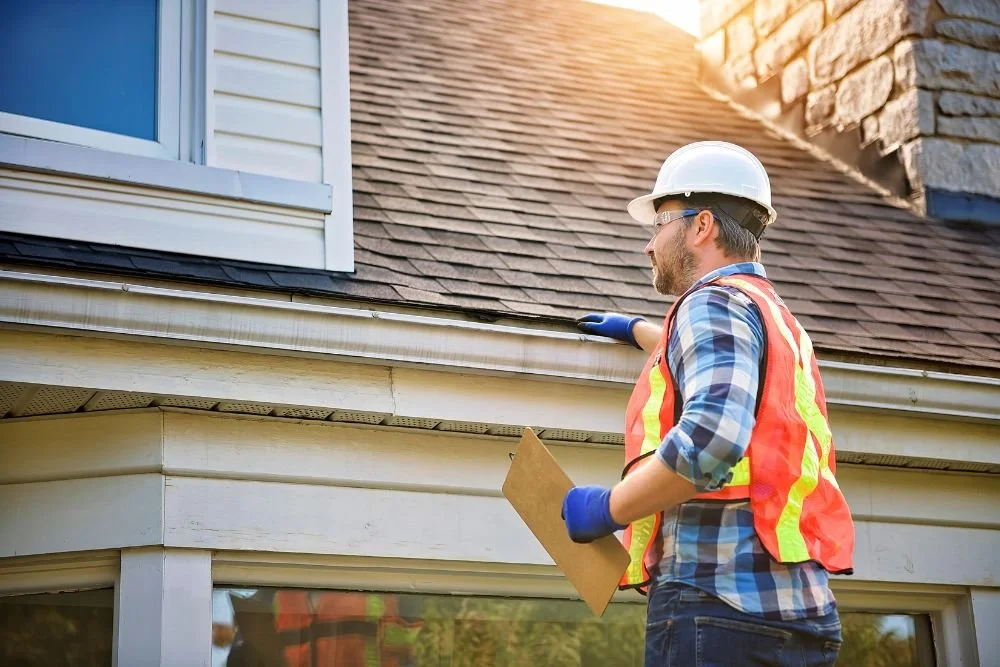
The first step in maintaining an older property is conducting a detailed inspection. This process involves examining areas such as the roof, foundation, plumbing, and electrical systems.
Older homes may have materials and construction methods that are no longer in use, which necessitates extra caution. Look for signs of damage like cracks in the foundation, leaks in the roof, rusted pipes, or outdated wiring. If any issues are spotted, consult professionals with experience in historic or older properties. Hiring licensed inspectors can save you time, money, and potential hazards down the road.
Identifying and Addressing Structural Issues
Foundational and structural issues are common in older homes, often due to decades of wear and shifting soil. Uneven floors, sticky doors, or visible cracks in the walls could signal serious underlying concerns. It's crucial to address these problems promptly to prevent further degradation.
Enlisting the help of a structural engineer or contractor will ensure that the repairs made adhere to safety standards. Regular maintenance of gutters, drainage systems, and landscaping also helps guard against water damage.
Handling Electrical and Plumbing Systems
Electrical systems in older homes often fall short of modern safety standards. Outdated wiring, inadequate grounding, and overloaded circuits pose significant fire hazards. Consider replacing knob-and-tube wiring or aluminum wiring if they are present. Similarly, older plumbing systems may feature galvanized pipes prone to corrosion and lead contamination.
Replacing pipes with modern materials like PEX or copper can improve the safety and functionality of your home. Both electrical and plumbing upgrades are tasks that require certified professionals to ensure compliance with local codes.
The Dangers of Asbestos
One of the most significant risks with older properties is the presence of asbestos, a material once commonly used for insulation, ceiling tiles, and roofing due to its fire-resistant properties. However, asbestos exposure is now known to cause severe health issues, including lung diseases and cancer.
If your property was built before the 1980s, it’s important to have materials tested by a professional asbestos inspector. If you’ve never dealt with asbestos before, it’s critical to understand the dangers and why you need to hire professionals to remove the substance.
Restoring and maintaining older properties is a rewarding endeavor that brings character and history to life. However, it’s essential to strike a thoughtful balance between preserving the unique charm of these buildings and ensuring they remain safe and functional for years to come. By updating materials responsibly, performing regular maintenance, and staying vigilant about potential hazards, homeowners can enjoy the best of both worlds—a beautiful, timeless property that stands strong and secure.