Designing Your Home Kitchen for Long-term Value
A well-planned kitchen supports daily living and strengthens resale appeal. Buyers notice layout, storage, finishes, and appliances quickly, so every design choice should support function as much as style.
Long-term value starts with decisions that age well and perform well. A smart kitchen renovation focuses on durability, efficiency, and broad market appeal instead of short-term trends. Explore tips for designing your kitchen for long-term value to get the most out of it.
Start With Layout and Flow
Kitchen value begins with movement and usability. Work zones should support cooking, cleaning, and storage without crowding walkways or blocking access to major appliances.
An efficient layout also helps the space feel larger and more organized. Homes with practical kitchens often show better because buyers can picture daily routines with less friction.
Choose Materials That Hold Up
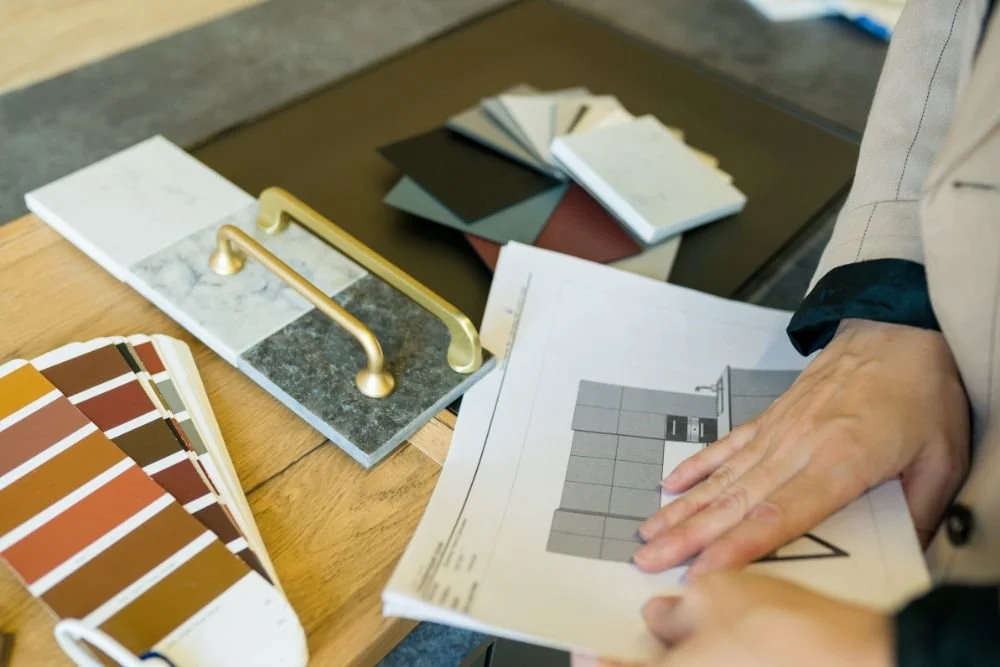
Cabinets, counters, and flooring shape both appearance and maintenance costs. Durable surfaces such as quartz counters, quality wood or plywood cabinetry, and hard-wearing flooring help the kitchen stay attractive through years of use.
Finish choices should stay clean and simple. Neutral colors and timeless textures usually appeal to more buyers than bold, highly specific design statements.
Prioritize Storage That Solves Problems
Storage adds value when it improves how the kitchen works. Deep drawers, pantry space, tray dividers, and well-placed upper cabinets make the room easier to use and easier to keep tidy.
Buyers respond to kitchens that feel efficient from day one. Good storage also protects long-term value because it reduces the need for future rework.
Invest in Lighting and Ventilation
Lighting affects both function and presentation. A strong plan combines ambient light, task lighting over work surfaces, and decorative fixtures that fit the scale of the room.
Ventilation matters just as much because it protects air quality and helps preserve surrounding finishes. Range hoods and airflow planning should match the size and use of the cooking area, especially when homeowners choose the right range for their kitchen.
Select Appliances With Broad Appeal
Appliances should match the home’s price point and likely buyer expectations. Overspending on specialty features rarely delivers the same return as choosing reliable, well-sized models with a cohesive finish.
Consistency matters more than luxury branding in many markets. A coordinated appliance package gives the kitchen a finished look and supports the value of the overall kitchen renovation.
Design for Flexibility
The best kitchens adapt to changing needs. Islands with seating, accessible outlets, and open counter space support meal prep, remote work, and casual gathering without locking the room into one use.
Flexibility also helps a kitchen stay relevant longer. That matters in resale because buyers want spaces that can support both current lifestyles and future changes.
Keep Resale in View
Homeowners should design a home kitchen for personal use while considering future value. A kitchen that feels durable, functional, and visually balanced tends to attract stronger buyer interest and fewer objections during resale.
Long-term value does not come from one dramatic upgrade. It comes from steady choices that improve comfort now and marketability later.