How Landscaping Influences a Commercial Property’s Value
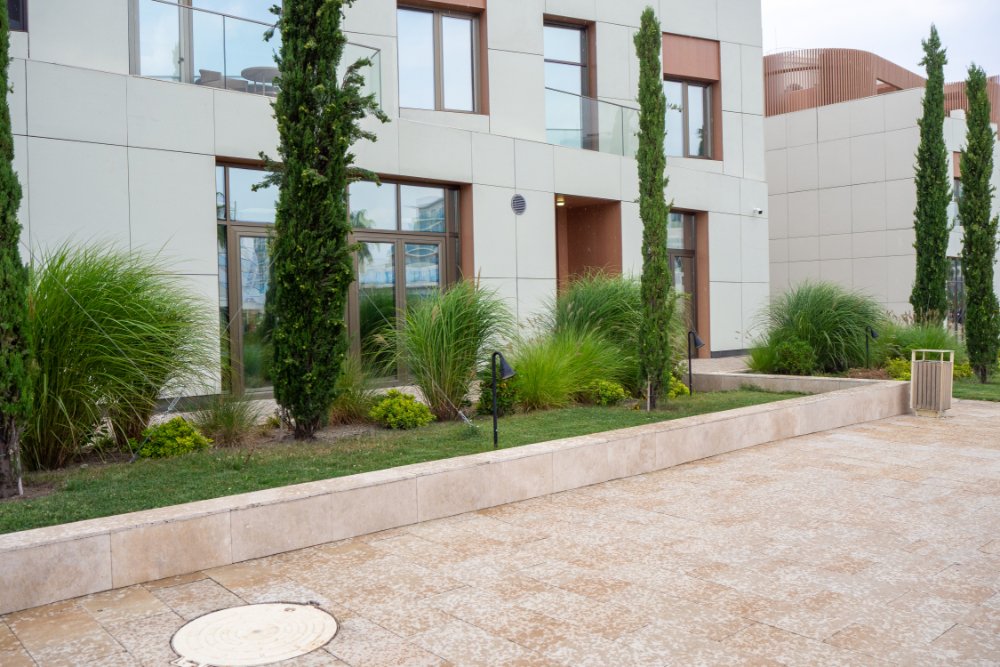
A commercial property makes an impression long before a visitor walks through the door. Buyers, tenants, customers, and neighboring businesses can form expectations based on the condition of the grounds, making exterior upkeep part of the property’s broader real estate picture. For owners considering how landscaping can influence a commercial property’s value, appearance is only one part of the equation. Well-managed outdoor areas can shape how people experience the site, reflect the level of care invested in the property, and influence the maintenance responsibilities a future owner may eventually take on.
Landscaping Shapes the Property’s First Impression
When prospective buyers or tenants arrive at a commercial property, the exterior provides their first opportunity to judge how the site presents itself. Landscaping that complements the building can make entrances easier to identify and give the property a more orderly appearance. Neglected grounds can create a different impression before visitors have seen the interior.
That reaction matters because people rarely evaluate individual property features in complete isolation. When the grounds appear consistently maintained, visitors may approach the rest of the property with fewer immediate concerns about exterior upkeep. Landscaping therefore contributes to the presentation without needing to become the property's defining selling point.
Mature Landscaping Can Be an Existing Asset
Established trees and other mature plantings give a property something a newly landscaped site cannot reproduce immediately: time. Large trees can provide shade around outdoor areas while softening expanses of pavement or building frontage. When those features suit the site, a buyer gains the benefit of a landscape that has already had years to mature.
Maturity does not automatically make every tree valuable, however. Location and condition affect whether existing vegetation works with the property. A tree that has outgrown its available space can interfere with visibility or create maintenance concerns. Buyers should judge mature landscaping by how effectively it serves the commercial site, since additional vegetation does not automatically increase its appeal.
Tree Maintenance Protects the Landscape’s Function
Once trees become established features of a commercial site, maintenance influences whether they continue contributing positively to the property. Branch growth can extend toward pedestrian areas or interfere with signs, while damaged limbs may create concerns around heavily used portions of the grounds. Pruning can address those conditions while supporting a more intentional appearance.
For owners managing established trees, understanding why commercial properties need regular tree pruning provides a useful context for treating tree care as part of routine property maintenance. The objective is not simply to make trees look tidy. Appropriate care keeps the landscape working with the property's circulation and visibility as the trees continue to grow.
Exterior Upkeep Can Affect Buyer Expectations
A prospective buyer does not know the complete maintenance history of a property from a single visit, yet visible conditions still influence what questions come next. Overgrown vegetation near structures or landscaping that appears unmanaged can prompt buyers to investigate whether the grounds require immediate work after closing.
Consistent exterior care creates a different starting point. Buyers can focus on the property's larger suitability without mentally adding obvious landscape projects to their first months of ownership. This does not establish a specific dollar increase in value, but it can affect how prepared and manageable the property appears during the evaluation process.
Landscaping Should Support How the Site Operates
Commercial landscaping has practical responsibilities that residential curb appeal does not always share. Customers may need to spot a business sign from the road, while pedestrians need clear routes between parking areas and entrances. Outdoor gathering areas may depend on shade during warmer parts of the day. Landscaping works best when it accommodates those uses without competing with them.
Property owners can assess each area according to what people need to do there. Vegetation near an entrance should contribute to a welcoming approach without obstructing access, for example. Along a street frontage, planting choices should account for important sightlines. Connecting landscape decisions to site function makes the exterior more useful instead of treating it as decoration around the building.
Maintenance Demands Matter to Future Owners
An elaborate landscape may photograph well, but future owners must live with the work it requires. Buyers evaluating commercial real estate should consider whether the grounds suit the level of maintenance they are prepared to manage after the purchase. A property with extensive plantings may require more specialized attention than one designed around simpler landscape areas.
Plants suited to local growing conditions make more sense than landscaping that requires constant intervention to maintain its intended appearance. For an investor comparing properties, understanding those demands can provide a more realistic view of ongoing ownership responsibilities beyond the building itself.
Landscaping Can Reinforce a Property’s Position
Different commercial properties need different exterior experiences. Landscaping around a professional office may emphasize a polished entrance, whereas a retail site may benefit more from strong visibility from surrounding roads. Properties that accommodate hospitality or outdoor gathering spaces can place greater value on shade and comfortable exterior areas.
The strongest landscape strategy reflects how people use the property while creating an exterior that feels intentional and appropriate for the site. When the grounds complement what happens on the site, they can strengthen the impression that the property functions as a coherent whole. That alignment may become relevant when owners prepare to lease or sell and want the exterior to support the way prospective occupants will use the space.
Look Beyond Curb Appeal Alone
Landscaping contributes most effectively to commercial real estate when owners view it as part of the property. Its condition influences first impressions, while its design can support the practical demands of the site. Mature features may carry advantages that take years to establish, provided owners maintain them appropriately.
Thinking about how landscaping influences a commercial property’s value therefore requires more than judging whether the grounds look attractive. Owners and prospective buyers can consider whether the landscape supports the property's use today and whether its maintenance demands remain reasonable for the future. When those pieces align, the exterior becomes a functional part of the property that supports its use and appeal.
South Florida Commercial Landscaping Considerations
South Florida commercial landscaping should account for heat, rainfall, wind exposure, irrigation, drainage, visibility, pedestrian safety and ongoing maintenance. Before major changes, owners should verify municipal requirements, association rules, utility locations and whether removal or pruning of protected trees requires approval. Property value remains specific to the site, income, condition, market demand and comparable transactions.
Helpful Real Estate Resources
Frequently Asked Questions
Can landscaping increase a commercial property's value?
Landscaping may strengthen presentation, usability and buyer or tenant appeal, but it does not guarantee a specific increase in appraised value. Condition, design, operating costs and local market demand still matter.
Why are mature trees important on commercial property?
Healthy, well-positioned mature trees may provide shade and soften building or pavement areas, but their contribution depends on condition, location, visibility and maintenance needs.
What landscaping issues concern commercial-property buyers?
Buyers may examine overgrowth, tree condition, blocked signage or sightlines, irrigation, drainage, deferred maintenance and the ongoing cost of caring for the grounds.
What makes commercial landscaping functional?
Functional landscaping supports clear entrances, accessible pedestrian routes, parking circulation, signage visibility, appropriate shade and the way occupants or customers use the site.
Evaluating a South Florida Property?
Get property-specific real estate guidance before selling, buying or investing in major exterior improvements.
Request a Property Consultation Call (954) 342-6180This article provides general educational information, not an appraisal, investment analysis, legal opinion, tax advice, environmental assessment, arborist report, landscaping plan or guarantee of market value. Commercial property decisions can involve licensing, zoning, accessibility, insurance and disclosure requirements. Consult appropriately licensed professionals for the specific property.