Complete Guide to Buying a Home in Fort Lauderdale 2026
Buying a home in Fort Lauderdale starts with understanding your budget, neighborhood options, financing, flood risk, insurance costs, and negotiation strategy. This guide walks you through the full process so you can search smarter, avoid expensive mistakes, and move forward with confidence.
Search Fort Lauderdale Homes Talk With Scott LehrInside This Fort Lauderdale Home Buying Guide
Introduction: Your Fort Lauderdale Home Buying Journey
Fort Lauderdale is one of South Florida’s most active real estate markets, offering everything from waterfront estates and luxury condos to established single-family neighborhoods, townhomes, and investment-friendly properties. For buyers, the opportunity is real, but the details matter.
Knowing how to buy a home in Fort Lauderdale means understanding more than the listing price. You need to evaluate neighborhood trends, property condition, insurance costs, flood exposure, HOA rules, commuting patterns, financing options, and long-term resale value.
According to Redfin’s Fort Lauderdale housing market data, the median sale price for the three months ending April 2026 was approximately $610,000, with homes averaging more than 100 days on market. That creates a more thoughtful environment for prepared buyers who know how to read the market and negotiate intelligently. Source: Redfin Fort Lauderdale Housing Market.
Fort Lauderdale also continues to attract residents because of its waterfront lifestyle, downtown growth, boating access, beaches, restaurants, business community, and proximity to Miami, Palm Beach, and the broader South Florida economy. The U.S. Census Bureau estimated Fort Lauderdale’s 2024 population at 190,641, reinforcing its role as a major Broward County city. Source: U.S. Census Bureau QuickFacts.
Understanding the Fort Lauderdale Real Estate Market in 2026
The Fort Lauderdale housing market is not one single market. Waterfront homes, downtown condos, east-side neighborhoods, western Broward communities, and investment properties can behave very differently. A buyer looking near Las Olas Isles may face a completely different pricing environment than a buyer looking in Sunrise, Coral Springs, Oakland Park, or central Broward.
What Today’s Market Means for Buyers
In a balanced or shifting market, prepared buyers may have more room to negotiate than they did during the most aggressive seller-market years. That does not mean every seller will discount. It means buyers should study comparable sales, property condition, listing history, insurance exposure, and days on market before making an offer.
- Fresh, well-priced listings can still move quickly.
- Homes sitting longer may offer more negotiating room.
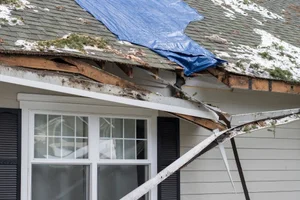
- Older roofs, aging mechanical systems, flood-zone concerns, and insurance issues can affect value.
- Condos require extra review of reserves, assessments, insurance, and building condition.
- Single-family homes may offer more control but can have higher maintenance costs.
For active listings, start with Fort Lauderdale homes for sale, then compare nearby Broward County markets like Weston homes for sale, Pembroke Pines homes for sale, Coral Springs homes for sale, and Plantation homes for sale.
The 7-Step Process to Buying a Home in Fort Lauderdale
Step 1: Get Pre-Approved for a Mortgage
Before you tour homes, get pre-approved. A true pre-approval helps confirm your budget, shows sellers you are serious, and gives your agent the ability to structure stronger offers. The National Association of REALTORS® advises buyers to prepare by reviewing finances, down payment options, available resources, and the full purchase process before shopping seriously. Source: NAR Consumer Guide.
For pre-approval, lenders commonly request tax returns, pay stubs, bank statements, identification, credit review, and debt information. Do not confuse a quick pre-qualification with a verified pre-approval.
Step 2: Work With a Local Fort Lauderdale Real Estate Agent
A local agent can help you understand neighborhood pricing, flood zones, school areas, HOA issues, condo rules, inspection concerns, and negotiation strategy. Fort Lauderdale is block-by-block in many areas. Waterfront access, bridge height, dock condition, roof age, traffic, school zoning, and insurance history can all affect value.
Scott Lehr and The Home Owners Listing Team help buyers compare homes across Fort Lauderdale, Weston, Pembroke Pines, Coral Springs, Plantation, Davie, Hollywood, Sunrise, Oakland Park, and the broader South Florida real estate market.
Step 3: Choose the Right Neighborhood and Property Type
Your lifestyle should guide your search. A buyer who wants boating access may focus on waterfront homes, while a family prioritizing schools may compare Weston, Coral Springs, or Pembroke Pines. An investor may look more closely at rental demand, HOA restrictions, projected maintenance, insurance costs, and cash flow.
Use the South Florida communities page to explore local areas, or review active inventory through The Home Owners Listing Team listings.
Step 4: Tour Homes With a Due-Diligence Mindset
Touring is not just about layout and finishes. Look closely at roof age, HVAC age, windows, plumbing, electrical panels, drainage, visible cracks, signs of water intrusion, association condition, parking, surrounding development, and resale appeal.
- Ask about roof permits and replacement dates.
- Review flood zone and elevation information.
- Confirm HOA fees, restrictions, and reserves.
- Look at comparable sales before judging price.
- Consider insurance availability before falling in love with the home.
Step 5: Make a Strategic Offer
Your offer should reflect the market, not emotion. A strong offer considers comparable sales, days on market, seller motivation, property condition, required repairs, appraisal risk, closing timeline, financing terms, and whether the seller may contribute to closing costs.
In Fort Lauderdale, buyers often use inspection, financing, appraisal, and title contingencies to protect themselves. Waiving protections should only be considered with professional advice and a clear understanding of the risk.
Step 6: Complete Inspection, Appraisal, Insurance, and Title Review
Once your offer is accepted, the due-diligence period begins. The home inspection may reveal roof, plumbing, electrical, HVAC, moisture, structural, pool, or pest issues. The appraisal confirms value for the lender. Title review checks ownership, liens, easements, and legal concerns.
Flood risk should also be reviewed carefully. FEMA’s Flood Map Service Center is the official public source for flood hazard information, and Broward County’s updated FEMA flood maps became effective July 31, 2024. Buyers should verify flood zone status before closing. Source: FEMA Flood Map Service Center and Broward County Flood Zone Maps.
Step 7: Close and Move Into Your Fort Lauderdale Home
Closing usually involves final loan approval, title clearance, insurance confirmation, final walkthrough, wire instructions, document signing, and recording. Once the transaction funds and records, you receive the keys and officially become the owner.
Before closing, make sure utilities, insurance, moving logistics, HOA access, gate instructions, parking, mailbox keys, appliance manuals, and maintenance items are handled.
Fort Lauderdale Neighborhoods and Nearby Areas to Consider
Las Olas and Downtown Fort Lauderdale
Las Olas and Downtown Fort Lauderdale appeal to buyers who want restaurants, nightlife, walkability, luxury condos, waterfront access, and proximity to the beach and business district. This area can be ideal for professionals, second-home buyers, and investors, but association fees, insurance, parking, and building rules should be reviewed carefully.
Victoria Park
Victoria Park is known for historic charm, tree-lined streets, proximity to Las Olas, and a mix of single-family homes, townhomes, and boutique properties. Buyers often like the central location and neighborhood feel.
Coral Ridge and East Fort Lauderdale
Coral Ridge, Imperial Point, Bay Colony, and nearby east-side neighborhoods attract buyers looking for strong location, boating access in select areas, beach proximity, and established residential streets. Property condition and flood exposure should be reviewed carefully.
Weston
Weston is popular with buyers who want master-planned neighborhoods, parks, schools, gated communities, and a suburban lifestyle. Compare current inventory on the Weston homes for sale page.
Pembroke Pines
Pembroke Pines offers a broad mix of single-family homes, townhomes, condos, gated communities, and residential neighborhoods. Buyers looking for west Broward value often compare Pembroke Pines homes for sale with Weston, Miramar, Davie, and Cooper City.
Coral Springs, Plantation, Sunrise, and Davie
These Broward County communities can offer strong alternatives for buyers who want more space, different school options, or a different price point than east Fort Lauderdale. Review Coral Springs homes for sale, Sunrise homes for sale, and Davie homes for sale to compare options.
Costs Beyond the Mortgage
One of the biggest mistakes buyers make is focusing only on the purchase price and mortgage payment. In Fort Lauderdale and South Florida, your true cost of ownership can include taxes, insurance, HOA fees, flood insurance, maintenance, reserves, repairs, utilities, association assessments, and future replacement costs.
Down Payment
Down payment requirements vary by loan program, credit profile, property type, occupancy, and lender guidelines. Conventional loans, FHA loans, VA loans, and other programs can all have different requirements. Always compare options with a qualified lender before assuming how much cash you need.
Closing Costs
Closing costs can include lender fees, title charges, recording fees, escrow deposits, prorated taxes, insurance, inspections, surveys, and other transaction expenses. In some cases, buyers may negotiate seller concessions to help offset closing costs.
Property Taxes
Property taxes depend on assessed value, exemptions, millage rates, and whether the property will be your primary residence. Florida homestead rules may matter, so speak with the county property appraiser or a qualified tax professional for property-specific guidance.
Insurance and Flood Risk
Insurance is a major South Florida issue. Buyers should quote homeowners insurance early, especially for older homes, homes with older roofs, waterfront properties, and properties in flood zones. The City of Fort Lauderdale notes that flood hazard maps help property owners and officials understand higher-risk flood areas. Source: City of Fort Lauderdale Flood Risk Information.
HOA and Condo Fees
Condos and association-governed communities may include monthly fees, reserves, insurance, amenities, maintenance, special assessments, rental restrictions, pet rules, and approval requirements. Review budgets, reserves, meeting minutes, insurance certificates, rules, and pending assessment information before closing.
Maintenance Reserves
Set aside money for roof repairs, HVAC service, plumbing, electrical upgrades, appliances, landscaping, pest control, pool service, painting, and unexpected issues. A home may pass inspection and still require normal ownership maintenance after closing.
First-Time Buyer Tips for Fort Lauderdale
Do Not Max Out Your Approval
Being approved for a certain number does not mean you should spend that number. Leave room for insurance increases, HOA changes, repairs, furniture, moving costs, and emergency reserves.
Avoid New Debt Before Closing
Do not buy a car, open new credit cards, change jobs, or make major financed purchases before closing without talking to your lender. Lenders often re-check credit and employment before final approval.
Study the Flood Zone Before You Offer
Flood zone status can affect insurance, lender requirements, resale value, and long-term cost. Review FEMA maps, Broward County flood map updates, elevation certificates if available, and insurance quotes before finalizing your decision.
Look Beyond Cosmetic Upgrades
Fresh paint and staging can make a home look great, but buyers should focus on roof condition, plumbing, HVAC, electrical, windows, structural condition, drainage, and permit history.
Use Local Market Data
Do not rely only on automated valuations. A property’s real value depends on comparable sales, location, upgrades, condition, lot size, water access, school area, HOA condition, insurance exposure, and buyer demand.
Investment Properties in Fort Lauderdale
Fort Lauderdale can be attractive for real estate investors because of tourism, relocation demand, seasonal residents, boating lifestyle, beaches, downtown growth, and access to the larger Miami-Fort Lauderdale-West Palm Beach metro area. However, not every property is a good investment.
What Investors Should Review
- Rental restrictions and HOA rules
- Short-term rental regulations
- Insurance costs and flood zone status
- Property taxes after reassessment
- Maintenance and capital expenditures
- Vacancy assumptions
- Comparable rental data
- Resale demand and exit strategy
Investors should compare Fort Lauderdale with nearby areas such as Hollywood, Pompano Beach, Oakland Park, Sunrise, Coral Springs, and Deerfield Beach depending on budget, rental goals, and desired risk profile.
For more property options, visit the Fort Lauderdale IDX search, Oakland Park IDX search, and Hollywood IDX search.
Buyer Checklist: What to Do Before Making an Offer
- Get mortgage pre-approval from a lender.
- Confirm your cash needed for down payment and closing costs.
- Review insurance estimates before making a final decision.
- Check flood zone and elevation information.
- Compare recent nearby sales.
- Review roof age, HVAC age, plumbing, and electrical condition.
- Ask about permits and open violations.
- Review HOA or condo documents when applicable.
- Understand inspection, appraisal, financing, and title contingencies.
- Work with a local real estate professional who understands Fort Lauderdale.
Ready to Buy a Home in Fort Lauderdale?
Scott Lehr and The Home Owners Listing Team can help you compare neighborhoods, review market data, evaluate homes, structure offers, and move from search to closing with confidence.
Call Scott: 954-342-6180 Search Homes Get a Home Value ReportFAQ: Fort Lauderdale Home Buying
What is the best time of year to buy in Fort Lauderdale?
Summer and early fall often bring less competition, while spring may offer more inventory. The best time depends on your financing, neighborhood, budget, and how flexible you are on property type.
How much should I offer below list price?
Offer strategy depends on comparable sales, days on market, condition, seller motivation, and competition. A home that is priced correctly may not need a large discount, while a property sitting longer may offer more room to negotiate.
Do I need flood insurance in Fort Lauderdale?
Flood insurance may be required if the property is in a higher-risk flood zone or if your lender requires it. Even when not required, buyers should review flood risk because Fort Lauderdale is a coastal South Florida market.
How long does the buying process take?
A typical financed purchase often takes about 30 to 45 days from accepted offer to closing, depending on inspection, appraisal, underwriting, title review, insurance, and any association approval.
Should I buy now or wait?
The right answer depends on your finances, housing need, interest rate options, inventory, and long-term plans. If you find the right home at the right terms and plan to hold it, waiting for a perfect market can cause missed opportunities.
Final Thoughts
Buying a home in Fort Lauderdale is a major financial decision, but it does not have to be overwhelming. With the right preparation, local guidance, and due diligence, you can make a smart move in one of South Florida’s most recognizable real estate markets.
Whether you are searching for a waterfront home, downtown condo, family neighborhood, investment property, or first home, The Home Owners Listing Team can help you evaluate your options and negotiate with confidence.
Contact Scott Lehr PA and The Home Owners Listing Team today to begin your Fort Lauderdale home search.
Sources used for factual market and risk references include Redfin Fort Lauderdale Housing Market Data, U.S. Census Bureau QuickFacts, National Association of REALTORS® Consumer Guide, FEMA Flood Map Service Center, Broward County Flood Zone Maps, and City of Fort Lauderdale Flood Risk Information.