Image credit: Shutterstock
Buying a home is a big decision, and making it is much easier when you’ve done your homework. Fortunately, a comprehensive home inspection can tell you everything you need to know about the physical condition of your potential investment. Uncovering issues that might cost you a lot of time and money down the line is essential.
Of course, knowing what to look for and what questions to ask your home inspector can make all the difference. Ultimately, you want to make your big decision with confidence, and a little knowledge about the home inspection process can help make you a more informed buyer.
Structural Integrity: Foundation

Image credit: Shutterstock
A stable home is a must. If the foundation is in question, buyers may be better off looking at other properties. A home inspector will look for cracks in the foundation itself, floors, walls, or ceilings. Other red flags include doors or windows that stick or fail to close properly, uneven or sloping floors, and gaps between the walls and ceiling.
To get a clear understanding of the foundation's condition, consider asking the following questions during the home inspection:
Have there been any previous foundation repairs?
Are there any current warranties on the foundation that are transferable?
What is the drainage like around the building, and are there any water management systems in place?
Can you see signs of ongoing settlement or movement?
What type of foundation is the house built on (e.g., slab, crawl space, basement)?
These questions can help you gauge the health of the foundation and potentially save you from investing in a property with costly hidden problems.
Exterior Inspection
The exterior walls and siding are a home's first defense against weather and environmental elements, so their integrity is non-negotiable. Any worthwhile inspection will include checking for signs of damage, including cracks, rot, or warping in the siding. Your home inspector will look for discoloration or mold, which can indicate moisture issues. They’ll also assess the quality of the paint or finish, noting any areas that may need repair or repainting.
Your home inspector should also examine the roof for missing, loose, or damaged shingles, which could result in leaks and interior water damage. They’ll check that gutters and downspouts are clear of debris and free from rust and verify that they are firmly attached and effectively channel water away from the home's foundation. Inspectors will also check the roof for any sagging or structural damage that could signal more serious underlying problems.
Interior Inspection
Interiors are next on the list. Inspectors will check walls, floors, and ceilings for cracks, bowing, or unevenness to identify potential structural issues. They’ll also look for water stains, mold, and signs of pests like droppings or damaged materials, which can indicate moisture issues or infestations. A good inspector will also test doors, windows, and staircases for smooth operation and stability, ensuring all are secure and efficient.
Systems and Utilities

Image credit: Shutterstock
Next, your inspector will check the plumbing for any leaks, assess the water pressure, and assess the drainage efficiency. It's important that all fixtures are working properly and that there are no signs of water damage or corrosion.
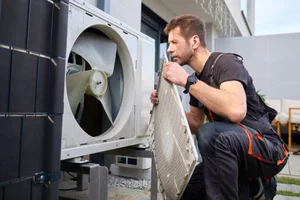
The electrical system must also be checked for any safety hazards, such as exposed wires or overloaded circuits. Your inspector will ensure everything is up to current code standards and that all outlets, switches, and panels function correctly and safely. They will also test the HVAC system to verify all heating and cooling appliances and air ducts are operating efficiently and effectively. Regular maintenance records should also be reviewed to gauge the system's upkeep.
Kitchen and Bathrooms
At this point in the inspection process, your home inspector will evaluate the condition of kitchen appliances to ensure they are functioning correctly and efficiently. They’ll check cabinets for proper alignment and stability and inspect countertops for any signs of damage like chips, cracks, or discoloration.
In kitchens and bathrooms, a home inspector will examine all plumbing fixtures, including sinks, toilets, and showers or tubs, for leaks, proper drainage, and overall functionality. They’ll also check that faucets operate smoothly and have consistent water pressure.
Effective ventilation in the bathrooms and kitchen is a must. Your home inspector will check that exhaust fans are operational and free from blockage. This will help prevent moisture accumulation and mold growth, which are common in these high-humidity areas.
Interior Features and Finishes
Your home inspector will also check flooring, walls, and ceilings throughout the home for signs of wear, damage, or aging. They’ll check for uneven floorboards, cracks in walls, and any stains or sagging on ceilings that may indicate deeper structural issues. Even the interior paint and finishes are inspected for chipping, fading, or cracking. The trim around doors, windows, and floors will also be under review for any damage that might need repair or replacement.
Built-in elements such as shelving units, cabinetry, and closets are checked for stability, functionality, and overall condition. Your home inspector will look for smooth drawer and door operation, structural integrity, and signs of wear or damage.
Safety and Security
Finally, your home inspector will test all smoke detectors, carbon monoxide detectors, and security alarms to ensure they are in working order and properly installed. They’ll inspect handrails, guardrails, and staircases to verify they are secure and meet safety standards, checking for any wear or damage that could pose a risk. In some cases, they will also check for the presence of radon gas and other potential environmental hazards.
How to Understand Your Home Inspection Report
Understanding home inspection terms on an inspection report can be a real challenge. Thankfully, most home inspectors include a summary of key findings that will highlight any serious red flags you should know about. In some cases, inspectors may even make recommendations for repairs or replacements. When in doubt, don’t be afraid to ask questions of your home inspector – after all, their goal is to provide you with a clear, comprehensive understanding of the condition of the property.