How Energy-Efficient Upgrades Can Influence Home Value
With bills rising, energy costs now shape many home-buying decisions. Buyers often compare expected utility expenses alongside price and property taxes.
Well-planned energy-efficient upgrades can make a home more attractive in a competitive market. Strong improvements may also support a higher asking price when sellers provide clear performance records. Keep reading to learn how energy-efficient upgrades can influence home value for sellers and buyers.
Lower Operating Costs Appeal to Buyers
Efficient homes can reduce heating and cooling demand. Lower energy use gives buyers a practical benefit that continues after closing.
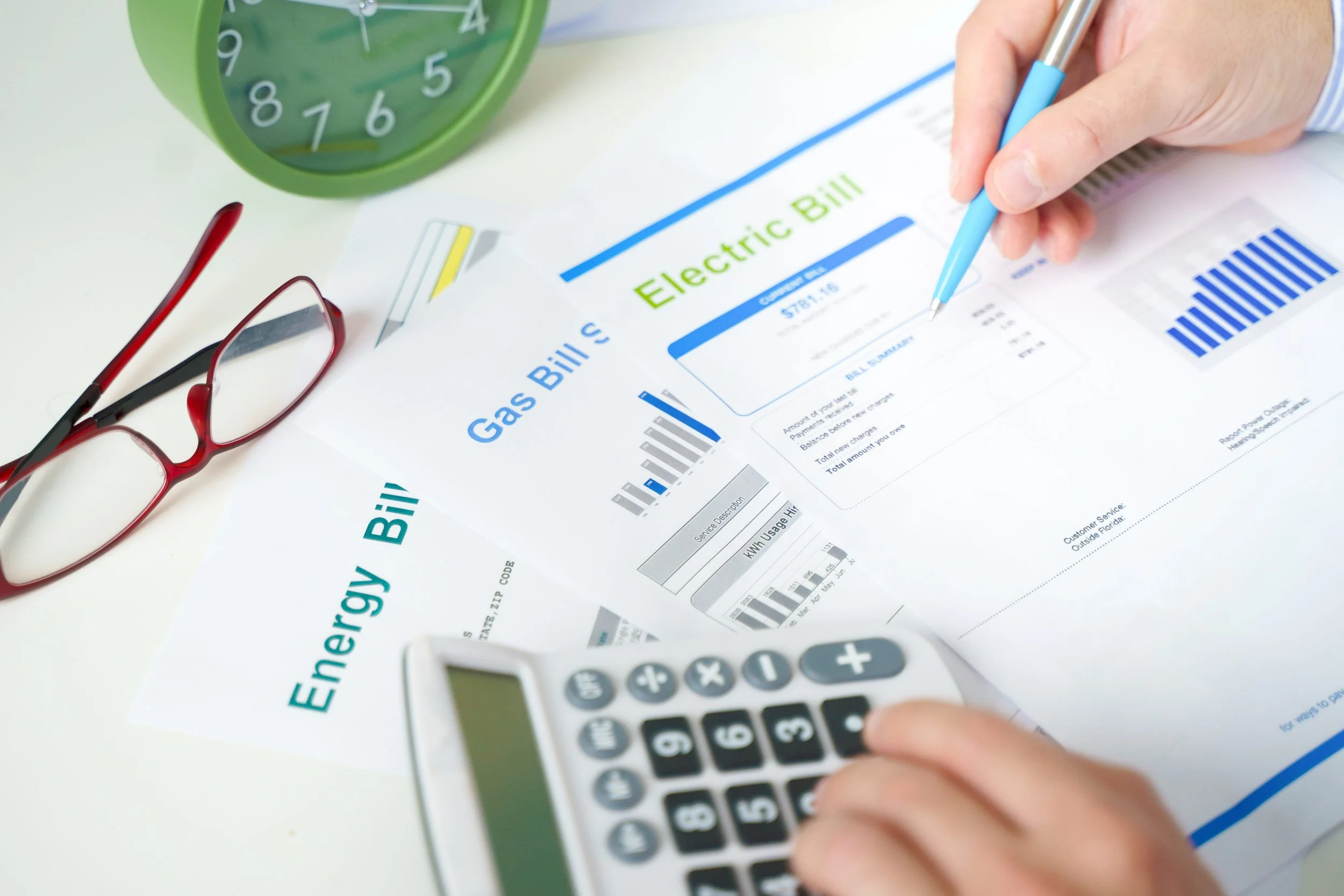
Recent utility bills can help sellers demonstrate cost savings. Energy audits can also show where completed work improved overall performance.
Some Improvements Carry More Weight
Not every efficiency project has the same effect on market value. Buyers usually respond best to upgrades that improve comfort or address an outdated system.
Common improvements include:
- High-efficiency heating and cooling equipment
- Added attic or wall insulation
- ENERGY STAR-certified appliances
- Smart thermostats and air sealing
- Efficient windows and exterior doors
Local climate conditions should guide each decision. Better insulation may attract more attention in cold regions while efficient cooling systems can matter more in warmer areas.
Window Performance Can Affect Buyer Perception
Old windows may create drafts or uneven indoor temperatures. Buyers may also notice condensation between panes or damaged frames during a showing. Poor sealing can reduce efficiency and allow moisture into the opening.
Replacement windows can improve comfort when the full window system performs well. Homeowners comparing options should review whole-window ratings and better insulated window frames before choosing a product.
Returns Depend on the Property
A costly project does not guarantee an equal increase in sale price. Home condition and neighborhood expectations often influence the final return.
A modest home may not recover the full cost of premium systems. However a neglected property may benefit greatly from replacing inefficient equipment that buyers expect to update.
Focus on Marketable Benefits
The most valuable home energy-efficient upgrades combine measurable savings with everyday comfort. Sellers should highlight lower operating costs and updated equipment without promising a specific financial return.
Buyers should review energy ratings and maintenance records during due diligence. Those details can clarify whether an efficient feature offers lasting value or only a newer appearance.
Energy Efficiency in South Florida Homes
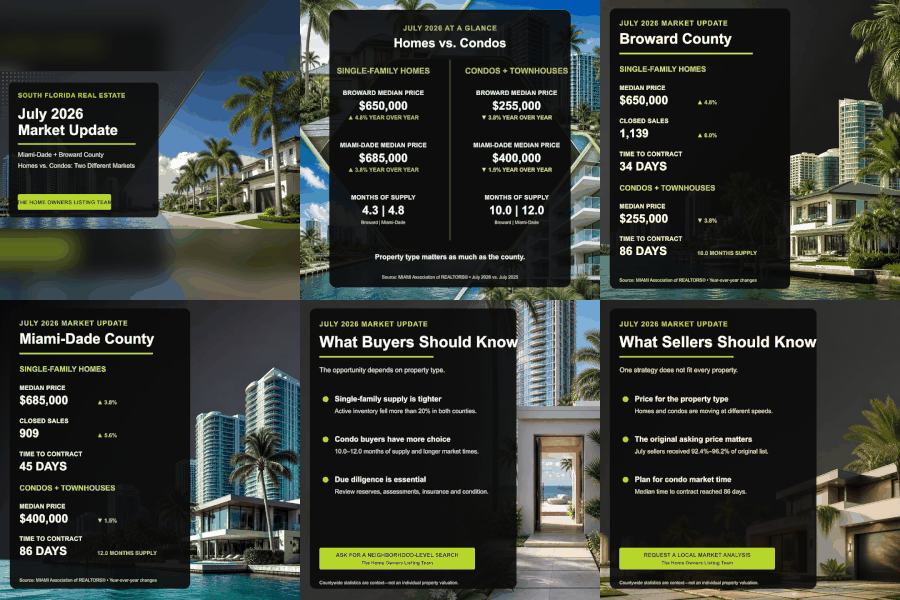
In South Florida, cooling demand, humidity control, window performance, insulation, air sealing and HVAC condition can play an important role in household operating costs and indoor comfort. Improvements should be selected for the home’s construction, age, condition and location rather than through a one-size-fits-all approach.
Before investing in a major project, homeowners should compare the upgrade cost with current system performance, expected remaining life, local buyer expectations and the likely effect on the home’s overall market position.
Energy-Efficient Features Buyers May Notice
Efficient Cooling Systems
Modern HVAC equipment may improve indoor comfort and reduce the energy required to cool a South Florida home.
Insulation and Air Sealing
Proper insulation and air sealing may reduce unwanted heat transfer and help conditioned air remain inside the living space.
Window Performance
Well-performing windows may improve comfort, reduce drafts and address visible condensation or damaged-frame concerns.
Smart Controls
Smart thermostats and other controls may help homeowners manage temperature settings and monitor energy use more efficiently.
Efficient Appliances
ENERGY STAR-certified appliances may reduce operating costs while helping kitchens and laundry areas feel updated.
Performance Documentation
Utility records, maintenance reports, warranties, product ratings and energy audits may help buyers understand completed improvements.
Energy-Efficient Upgrade Planning Checklist
- Review recent utility bills and seasonal energy use.
- Identify outdated or underperforming equipment.
- Evaluate HVAC age, maintenance and efficiency ratings.
- Inspect insulation, air sealing and visible gaps.
- Review whole-window performance rather than one component alone.
- Compare product ratings, warranties and expected service life.
- Choose improvements appropriate for the local climate.
- Request written estimates from qualified professionals.
- Keep invoices, permits, warranties and maintenance records.
- Avoid promising buyers a guaranteed financial return.
- Compare improvement costs with neighborhood expectations.
- Discuss potential marketability with a local real estate professional.
South Florida Homeowner and Seller Resources
- Request a South Florida home-value report
- View current South Florida property listings
- Explore Fort Lauderdale homes for sale
- Research South Florida communities
- Search homes for sale in Weston
- Search homes for sale in Pembroke Pines
- Explore Hollywood, Florida homes for sale
- Read the South Florida real estate blog
Planning Improvements Before Selling?
Before investing in HVAC equipment, windows, insulation, appliances or other energy-efficient upgrades, determine how the project may affect comfort, operating costs, buyer appeal and your home’s position against comparable South Florida listings.
Get a Home Value Report Contact The Home Owners Listing TeamFrequently Asked Questions
Can energy-efficient upgrades increase home value?
Energy-efficient upgrades may support buyer interest and resale value when they improve comfort, reduce operating costs or replace outdated systems. The actual return depends on the property, project cost and local market.
Which energy-efficient improvements may appeal to buyers?
Common improvements include high-efficiency heating and cooling equipment, added insulation, ENERGY STAR-certified appliances, smart thermostats, air sealing, efficient windows and exterior doors.
How can sellers demonstrate energy savings?
Sellers may provide recent utility bills, energy audits, ratings, equipment records and maintenance documentation showing how completed improvements affected performance.
Do all energy-efficient upgrades provide the same return?
No. Returns depend on project cost, property condition, neighborhood expectations, local climate and whether buyers value the specific improvement.
Why does window performance matter to buyers?
Old or poorly sealed windows may create drafts, uneven indoor temperatures, condensation or moisture concerns. A well-performing window system may improve comfort and buyer perception.