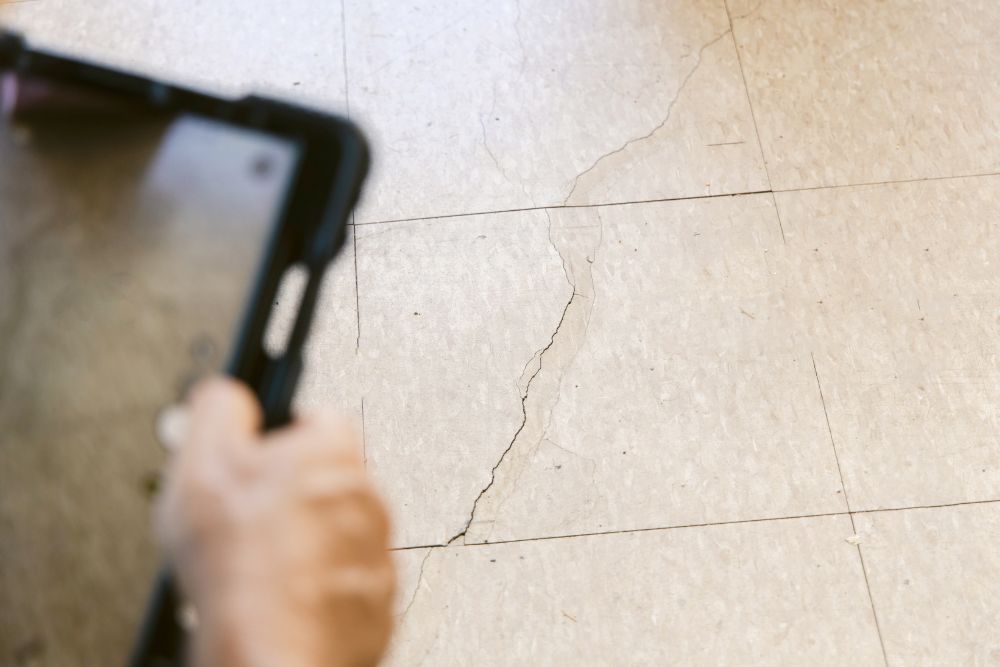
Small Property Problems That Can Become Deal Breakers
Small property problems might seem like no big deal. But the issue is, a small problem can quickly become a deal breaker once someone peels the layers.
View Listings Contact The Home Owners Listing TeamA beautiful kitchen, attractive landscaping, and a competitive asking price can make a property irresistible during an initial walkthrough. However, experienced buyers understand that small maintenance concerns sometimes reveal expensive complications that aren’t immediately obvious.
Several small property problems can become deal breakers, and they deserve attention because even modest defects can influence inspection findings, repair negotiations, and long-term ownership costs. Buyers who recognize potential warning signs can make more informed decisions, while sellers who address concerns early can strengthen their property’s market appeal.
Neglected Landscaping and Hidden Pest Risks
Mature trees and established gardens can enhance curb appeal, but poorly maintained landscaping sometimes introduces unexpected property concerns. Overgrown branches may threaten roofing materials, while aggressive root systems can interfere with walkways, drainage components, or underground infrastructure. Buyers should examine vegetation near the foundation and identify areas where accumulated debris or excessive moisture might encourage pest activity. These conditions don’t automatically indicate serious damage, but they deserve attention during property evaluations.
Old tree stumps present another commonly overlooked concern because decaying tree stumps attract pest infestations when they provide suitable shelter and moisture for wood-associated insects. Termites, carpenter ants, and other organisms may inhabit deteriorating wood, although their presence doesn’t necessarily mean they have entered the home. Buyers should consider professional evaluation when they notice suspicious insect activity or extensive wood deterioration near the structure. Sellers can improve the property’s presentation by addressing neglected vegetation and removing unnecessary landscape hazards.
Doors and Windows That Don’t Work Properly
A sticking door might appear insignificant during a property tour, particularly in an older home where minor wear seems understandable. Seasonal humidity, deteriorating hinges, and ordinary settling can contribute to operational problems, but structural movement may also play a role. Buyers should notice whether several doors exhibit similar difficulties or whether frames show unusual gaps and misalignment. Patterns of recurring problems deserve more attention than one isolated inconvenience.
Windows require equally careful consideration because they influence ventilation, energy efficiency, and everyday comfort. Damaged weatherstripping can allow drafts, while condensation between insulated glass panes may indicate failed seals. Buyers should test accessible windows and examine visible frames for deterioration before estimating future maintenance expenses. Sellers who correct straightforward hardware problems and investigate more serious defects can reduce unnecessary concerns during inspections.
Drainage Problems Around the Foundation
Water management plays an important role in protecting a home’s structural components, yet drainage problems often escape attention during dry-weather showings. Soil that slopes toward exterior walls, disconnected downspouts, and recurring puddles can increase the likelihood of unwanted moisture accumulation. Buyers should also examine erosion patterns and landscaping features that might direct stormwater toward vulnerable areas. These observations can identify situations that require further evaluation.
Drainage deserves particular attention in Florida, where heavy rainfall can challenge properties with inadequate grading or poorly maintained runoff systems. Homes without basements can still experience moisture-related damage around slabs, crawl spaces, and exterior finishes. A qualified drainage professional can assess whether improvements, such as regrading, downspout extensions, or surface drainage modifications might help. Understanding how a property handles significant rainfall provides valuable information beyond its appearance during a sunny afternoon.
Electrical Issues That Raise Safety Questions
Updated light fixtures and modern appliances can make a home look appealing, but attractive finishes don’t guarantee that its electrical infrastructure functions properly. Flickering lights, damaged outlets, loose switches, and unusual breaker behavior may indicate problems that require professional attention. Although some issues have relatively simple explanations, others can involve unsafe wiring conditions or aging components. Buyers should avoid making assumptions about repair costs before a qualified electrician evaluates concerning symptoms.
Older properties may also contain electrical systems that no longer meet the demands of contemporary household equipment. Previous renovations can introduce additional uncertainty when homeowners lack permits or documentation for significant electrical work. Sellers should address known safety concerns through qualified professionals rather than attempting unfamiliar electrical repairs themselves. Buyers can use inspection findings and professional estimates to understand the potential financial implications before proceeding with a purchase.
Exterior Damage That Signals Deferred Maintenance
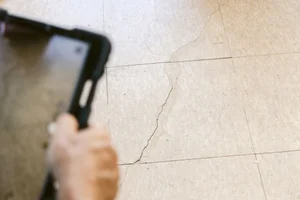
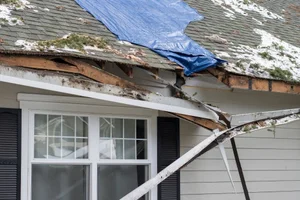
Cracked walkways, loose siding, and deteriorating trim rarely generate the same attention as kitchens or bathrooms during property showings. Nevertheless, these visible defects can influence how buyers interpret the home’s overall maintenance history. A single damaged component might require a straightforward repair, while several neglected areas can suggest that the owner has postponed routine upkeep. Buyers should evaluate the condition and potential consequences of each issue rather than judging the property solely by its appearance.
Common exterior warning signs include:
- Cracked walkways: Uneven surfaces can create tripping hazards or suggest ongoing ground movement.
- Damaged siding: Gaps and deterioration may expose underlying materials to moisture.
- Loose gutters: Ineffective drainage can direct water toward vulnerable exterior areas.
- Peeling paint: Deteriorating finishes may leave wood and other materials exposed.
- Rotting trim: Soft or damaged wood can indicate prolonged moisture exposure.
- Broken fencing: Structural deterioration can affect privacy, security, and presentation.
Unfinished Repairs and Questionable Renovations
Home improvement projects can increase property value and functionality, but incomplete or poorly executed renovations often introduce uncertainty. Mismatched flooring transitions, exposed wiring, uneven fixtures, and visible gaps around plumbing connections may prompt buyers to question workmanship. Cosmetic inconsistencies aren’t necessarily dangerous, yet they can justify closer examination when several questionable details appear throughout the property. Buyers should also consider whether correcting previous work might require removing recently installed finishes.
Documentation becomes particularly important when a seller advertises substantial renovations or structural improvements. Buyers can request relevant permits, contractor invoices, warranties, and inspection records to better understand the work’s history. Requirements vary by jurisdiction, so local real estate professionals can identify appropriate records and disclosure obligations. Sellers who complete unfinished projects and maintain accurate documentation can make the transaction process more transparent.
Protecting Property Value Starts With Attention to Detail
Real estate decisions involve much more than comparing listing photographs, square footage, and asking prices. Small defects can reveal maintenance patterns that affect ownership costs, negotiations, and confidence in the property’s overall condition.
Recognizing property problems that could become deal breakers allows sellers to prioritize worthwhile improvements while helping buyers evaluate potential risks more carefully. Thorough inspections, transparent communication, and practical repair expectations can prevent manageable concerns from developing into expensive surprises.
Make Your Next Real Estate Move With Confidence
Connect with Scott Lehr and The Home Owners Listing Team to discuss your South Florida real estate plans.
Contact Scott Lehr Free Home Valuation Explore the BlogExplore Fort Lauderdale homes for sale or browse South Florida communities.
Call (954) 342-6180