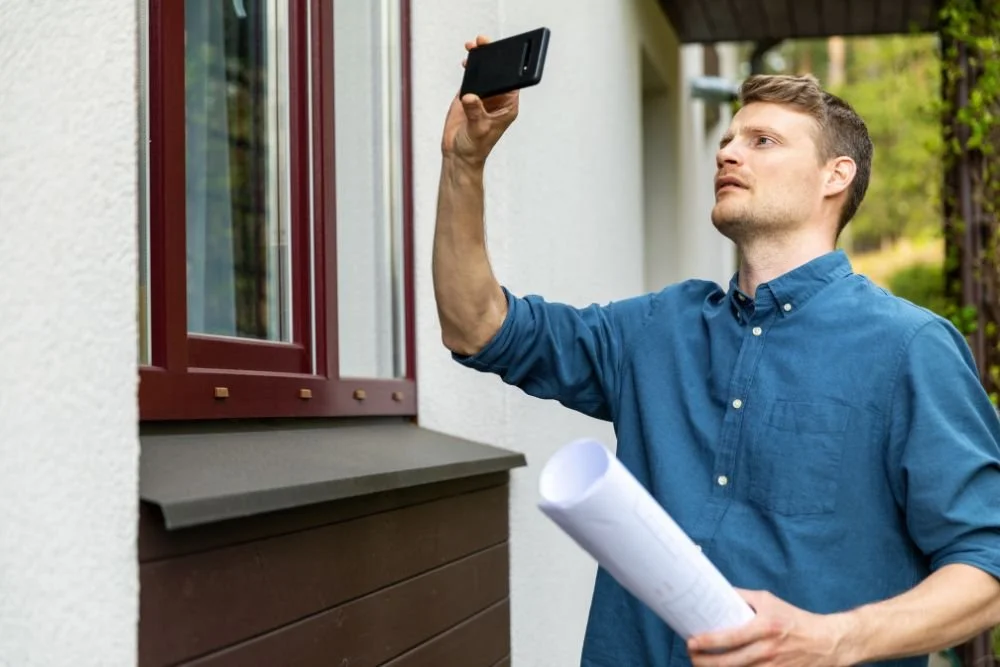
Safety Checklist Before Buying a Home in Florida
A home purchase in Florida requires careful thought because climate risks and storm exposure affect structure and safety for buyers. Buyers must review each property with a clear plan that focuses on compliance and resilience against severe weather patterns. A well-prepared buyer avoids costly repairs and secures a safe home that meets strict regional demands and protects household stability.
Florida homes face unique pressure from humidity, heat, salt air, and storms, so every decision must reflect these environmental realities. Buyers who follow a structured safety checklist before buying a home in Florida gain confidence and avoid oversight that leads to stress and financial loss after purchase.
Evaluating Foundation Strength and Stability
A stable foundation supports the entire home, and buyers must inspect for cracks, uneven surfaces, or signs of settlement that suggest structural concerns. Professional inspections reveal hidden weaknesses that may lead to costly repairs or unsafe living conditions if left unaddressed before purchase. Soil conditions and drainage patterns also affect foundation performance and must receive careful evaluation before final agreements occur.
Inspecting Electrical Systems for Safety
Electrical systems must meet modern safety standards, and buyers should confirm that wiring and outlets function correctly without signs of overload or wear. Faulty systems create fire hazards, and a licensed electrician should inspect components to ensure compliance with local codes and safety regulations. Updated systems support modern appliances and reduce risk, which adds value and enhances safety for occupants.
Understanding Roof Condition and Material Quality
A strong roof protects the home from storms and heat, and buyers must inspect materials, age, and installation quality before purchase decisions. Metal roofs offer durability in harsh climates, and buyers must assess condition and lifespan to evaluate value and expected performance over time. Learning how long metal roofs last in Florida will help you determine if the structure meets safety expectations and supports a wise purchase.
Checking Plumbing Systems and Water Quality
Plumbing systems require careful inspection to ensure pipes and connections remain free from leaks and pressure issues that affect performance. Water damage can lead to mold and structural decay, and buyers must verify that the system operates efficiently without hidden defects. A professional inspection provides clear insight into system condition and helps buyers avoid unexpected repair costs after purchase.
Reviewing HVAC System Performance
A reliable HVAC system ensures comfort and safety in Florida heat, and buyers must inspect units for efficiency, maintenance history, and overall condition. Poor performance can lead to high energy costs and uncomfortable living conditions that affect daily life and home value. Technicians should evaluate airflow, cooling capacity, and system integrity before purchase to confirm proper operation.
A safe home purchase in Florida depends on careful evaluation of every system and structure that supports durability and protection against environmental risks. Buyers who follow this detailed checklist reduce uncertainty and gain confidence during each stage of the process. Every inspection and verification step adds value and ensures the home meets high safety standards expected within this region.
Additional Florida Home-Buying Safety Considerations
Wind-Mitigation Features
Review impact-rated openings, shutters, roof-to-wall connections, roof geometry and other features that may affect storm resilience and insurance documentation.
Flood and Drainage Conditions
Evaluate the property’s flood-zone designation, elevation, drainage patterns, nearby waterways and evidence of previous water intrusion.
Insurance Availability
Request insurance estimates early because roof age, electrical panels, plumbing materials and prior claims may affect availability and cost.
Permit History
Review available permit records for roofs, additions, windows, electrical work, plumbing improvements and other significant property changes.
Moisture and Mold
Look for staining, musty odors, damaged drywall, elevated moisture and ventilation issues that may require further professional evaluation.
Professional Specialists
General inspections may identify concerns that require additional review by licensed roofers, electricians, plumbers, HVAC technicians, engineers or environmental professionals.
Florida Buyer Inspection Checklist
- Review foundation condition and drainage.
- Inspect electrical panels, wiring and outlets.
- Confirm roof age, materials and remaining useful life.
- Review plumbing materials, leaks and water pressure.
- Evaluate HVAC age, maintenance and cooling performance.
- Check for moisture intrusion and visible mold concerns.
- Review windows, doors and storm-protection features.
- Confirm flood-zone and elevation information.
- Obtain preliminary insurance estimates.
- Review available permits and property disclosures.
Florida and South Florida Home-Buying Resources
- View current South Florida property listings
- Explore Fort Lauderdale homes for sale
- Research South Florida communities
- Search homes for sale in Weston
- Search homes for sale in Pembroke Pines
- Explore Hollywood, Florida homes for sale
- Explore Pompano Beach homes for sale
- Read the South Florida real estate blog
Buying a Home in South Florida?
A strong offer is only the beginning. The Home Owners Listing Team can help you research communities, evaluate available homes, structure your offer and coordinate the inspection and due-diligence process.
View Current Listings Contact The Home Owners Listing TeamFrequently Asked Questions
What should buyers inspect before purchasing a home in Florida?
Buyers should evaluate the foundation, electrical system, roof, plumbing, water quality, HVAC equipment, drainage and the home’s ability to withstand Florida climate and storm exposure.
Why is roof condition important when buying a Florida home?
A roof protects the home from heat, wind and storms. Its age, materials, installation quality and remaining lifespan can affect safety, maintenance costs, insurance and property value.
Why should buyers inspect the foundation?
Cracks, uneven surfaces, settlement, poor drainage and soil conditions may indicate structural concerns or future repair costs.
Why should plumbing and water quality be reviewed?
Leaks, pressure issues and damaged pipes can contribute to water damage, mold, structural decay and unexpected repair expenses.
What should buyers check in a Florida HVAC system?
Buyers should review system age, maintenance history, airflow, energy efficiency, cooling capacity and overall operating condition.