Property Owner Guide · South Florida Real Estate
10 Things To Know Before Buying Rural Land
Before buying rural acreage, investigate access, utilities, financing, land use rules, surveys, water, soil conditions, and long-term ownership costs.
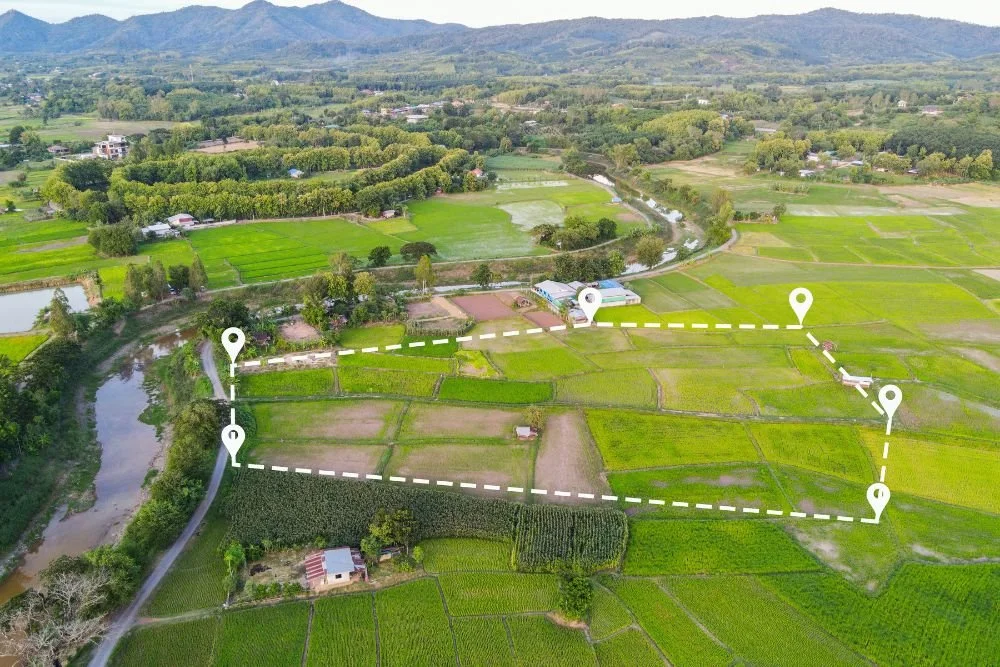
Buying a home usually means evaluating both a house and the property beneath it. Buying undeveloped or rural acreage shifts much more attention to the land itself.
A peaceful parcel with open views can look ideal during a showing, yet its practical limitations may not become clear until a buyer investigates the details. Road access, water availability, zoning rules, financing, and property boundaries can all influence whether a parcel suits its intended use.
Below, we’ll outline some of the important things you should know before buying rural land.
1. Confirm Legal and Physical Access
A property can border a road without necessarily having usable legal access to it.
Buyers should determine how the parcel connects to a public road and whether that access crosses another person's property. If an easement provides access, review its location, terms, and recorded status.
Physical conditions matter as well. A road that looks passable during dry weather may become difficult to use after heavy rain or snow. Consider whether emergency vehicles, construction equipment, delivery trucks, and everyday passenger vehicles can reach the property reliably.
Access can affect both usability and future resale value, so buyers should investigate it early.
2. Check Zoning and Land-Use Restrictions
Owning land does not automatically give an owner permission to use it in any way they choose.
Local zoning rules may control residential construction, commercial activity, livestock, accessory structures, minimum lot sizes, and setbacks. Some parcels also carry deed restrictions or conservation limitations.
Before purchasing land for a specific purpose, buyers should contact the appropriate local planning or zoning department and confirm that they can use the land as they intend.
Do not rely solely on the current owner's use of neighboring properties. Regulations can vary between parcels, districts, and jurisdictions.
3. Investigate Water Availability
Another important thing to know before buying rural land is the availability of water.
Some parcels connect to public water systems, while others depend on private wells. A buyer considering a property without an existing water source may need to investigate groundwater conditions and drilling costs.
Existing wells deserve scrutiny, too. Buyers can review available well records and arrange testing to evaluate water quality or system performance when appropriate.
In agricultural areas, water rights can introduce another layer of complexity. Ownership of land does not necessarily provide unrestricted rights to all nearby or underground water sources.
4. Understand the Septic Situation
Rural parcels frequently sit outside municipal sewer systems. In those cases, a future home may require a septic system.
Not every piece of land can support the same type of system. Soil composition, drainage, slope, groundwater levels, and local health regulations can influence septic approval and design.
Buyers planning to build should determine whether the property has completed a soil or percolation test and whether previous septic approvals exist.
If specialized equipment or an engineered system becomes necessary, installation expenses can rise substantially compared with a conventional setup.
5. Research Utility Connections
Electricity, internet service, natural gas, and other utilities may require more investigation in rural areas than they would in a developed subdivision.
A utility pole near the property does not guarantee an inexpensive connection. Extending electrical service across a large parcel or from a distant line can add significant costs to a construction project.
Internet and cellular coverage can vary as well. Buyers who work remotely should verify actual service options rather than assuming advertised regional coverage reaches a particular parcel.
6. Review Property Boundaries and Surveys
Fences, tree lines, trails, and existing driveways do not necessarily follow legal property boundaries.
A recent survey can help identify the parcel's dimensions and reveal easements or encroachments that deserve further review. This becomes particularly important with larger properties, where boundaries may extend through wooded or undeveloped areas.
Buyers should also compare the survey with the property's legal description and available county records.
Discovering a boundary issue before closing gives the buyer an opportunity to investigate. Finding the same issue after purchasing the property can create a more complex situation.
7. Evaluate the Land's Physical Characteristics
A property's appearance during a short visit provides only part of the picture.
Topography can determine where a buyer can reasonably build, establish a driveway, or use equipment. Wetlands and flood-prone areas may reduce the amount of usable acreage. Soil conditions can affect construction and agricultural plans.
Walk as much of the parcel as practical, rather than viewing it only from the road. Buyers may also want professional guidance when drainage, wetlands, soil stability, or environmental concerns could influence the intended use.
Seasonal conditions deserve attention. Dry ground in summer may behave very differently during a wet season.
8. Explore Financing Before Making an Offer
Financing rural acreage can differ from financing a conventional home.
Some mortgage programs focus primarily on properties with completed residences, while vacant or agricultural land may require a different lending structure. Lenders can consider factors such as acreage, intended land use, improvements, and access when evaluating a transaction.
Down payment requirements, loan terms, and appraisal methods can also differ from standard residential financing.
One of the most common rural land buying mistakes to avoid is waiting too long to think about financing. Speaking with an appropriate lender before making an offer can also clarify the budget available for both the purchase and future improvements.
9. Calculate Costs Beyond the Purchase Price
The sales price represents only one part of land ownership.
Property taxes can vary depending on acreage, land classification, improvements, and local rules. Buyers should investigate current taxes while considering whether a change in use could alter future assessments.
Additional expenses may include road maintenance, fencing, brush clearing, utility installation, well work, septic installation, insurance, and ongoing property management.
Large parcels can also require equipment or professional services that a typical residential homeowner would not need.
10. Consider Future Plans Before Closing
Rural land can serve many purposes, from building a primary residence to creating a recreational retreat or operating an agricultural property. The best parcel depends heavily on what the buyer expects to do with it.
Consider both immediate plans and possible future changes. A property suitable for weekend recreation may not meet the requirements for a future residence. Likewise, land that works for a house may not accommodate livestock, additional structures, or another use.
Future resale deserves consideration as well. Features that matter to the current buyer, such as road quality and reliable utilities, can also influence how future purchasers view the property.
Take Time To Understand the Property
Rural acreage can offer privacy, flexibility, and room that developed properties cannot provide. It also places more responsibility on buyers to understand exactly what they are purchasing.
Research becomes especially important because two neighboring parcels can have very different restrictions, access arrangements, utility options, or physical characteristics.
Before purchasing a rural parcel, review the documents, investigate the property in person, and bring in qualified professionals when a question falls outside your expertise. A thorough evaluation can help ensure the acreage works not only on paper, but also for the way you intend to use it.
Explore South Florida Property Resources
Explore local homes and helpful buyer resources:
Frequently Asked Questions
What should I check first when buying rural land?
Confirm legal and practical road access, permitted land uses, property boundaries, utilities, water, and whether the parcel can support your intended plans.
Does rural land need a survey before purchase?
A current survey can help clarify boundaries, easements, and possible encroachments. Ask the appropriate professionals which survey and title review are needed for the parcel.
Can I build a home on any rural parcel?
Construction depends on local zoning, access, environmental conditions, water and septic feasibility, and other approvals. Confirm requirements with the relevant local agencies.
Is financing vacant land different from financing a house?
It can be. Loan terms and requirements vary by lender, property characteristics, intended use, and improvements. Talk with a lender who handles land purchases before making an offer.
Buy with a Clearer Picture
Scott Lehr and The Home Owners Listing Team can help you explore property options and plan your South Florida purchase.
Explore Home ListingsCall (954) 342-6180About Scott Lehr
Scott Lehr, PA, works with The Home Owners Listing Team to support buyers and sellers across Broward, Miami-Dade, and Palm Beach counties. Learn more about Scott Lehr.
This article offers general educational information. Access rights, zoning, surveys, utilities, and development requirements vary by parcel and jurisdiction. Consult qualified local professionals and agencies before relying on a parcel for a particular use.