Image via Unsplash
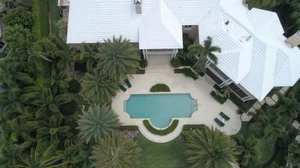
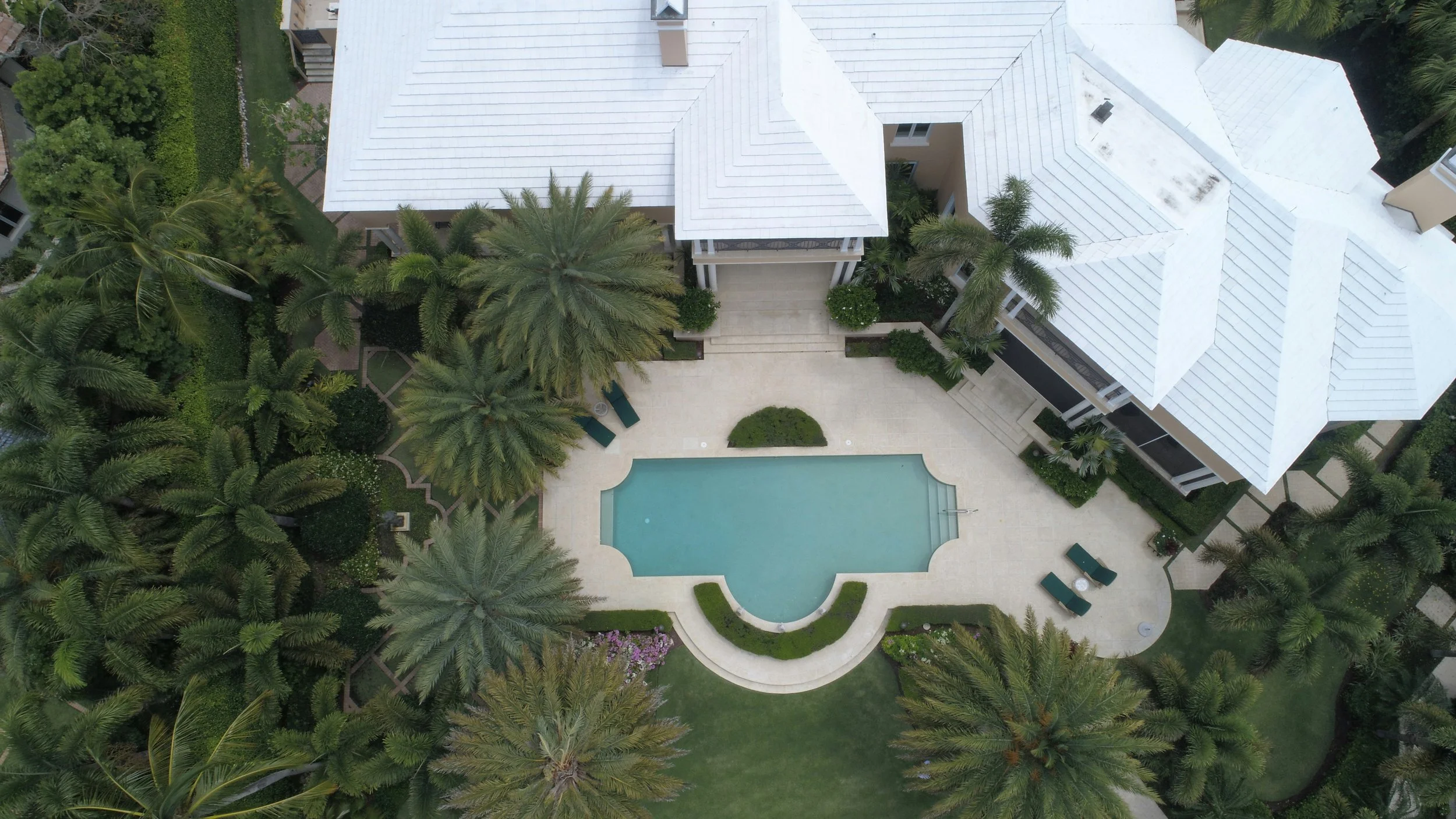
Image description: An aerial picture of Florida home’s roof.
A 15-year-old roof might make you think twice about buying a Florida home, especially if you've heard that insurers automatically reject older roofs. This common misconception can discourage buyers from considering otherwise appealing properties and leave sellers facing pressure to replace roofs that haven’t reached the end of their useful life.
Fortunately, the 15-year roof rule doesn't automatically require a replacement. Understanding the difference between state law requirements and how insurers assess older roofs can help you make an informed decision without letting the roof's age become an unnecessary dealbreaker.
What Florida's 15-Year Roof Rule Actually Says

Image via Unsplash
Image description: Red roof line with aspect profiles.
The latest legal protections for aging roofs don't guarantee insurance approval. Insurers can still consider damage, deterioration and other underwriting risks. The key point is that Florida law keeps roof age from being the only deciding factor. Under Florida Statute 627.7011, insurers can’t turn down a new policy or renewal just because the shingles are 15 years old or older.
Once your roof reaches the 15-year mark, additional protections apply. Insurers must allow you to obtain an inspection. If the inspection proves the roof can last five more years, the insurer can’t base a denial solely on its age.
How Insurers Decide Differently From the Law
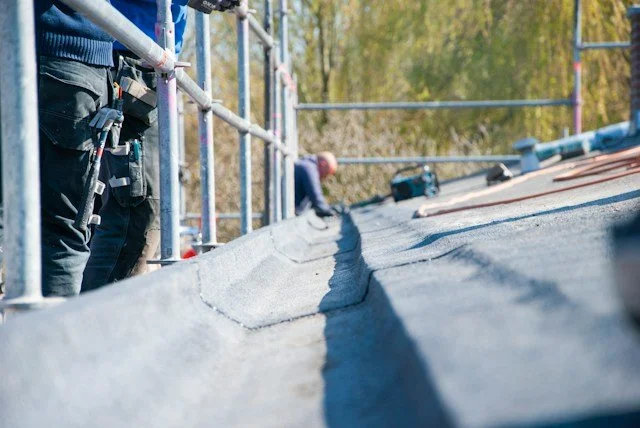
Image via Unsplash
Image description: Workers repairing a roof.
While Florida law establishes protections against age-based insurance denials, individual insurers have their own underwriting requirements. These often include assessing the condition through Florida’s 4-point inspection roof requirements, which examine the home's electrical, plumbing and HVAC systems.
During a roof assessment, insurers may consider:
Roof condition: Missing shingles, corrosion, leaks and visible deterioration.
Roofing materials: Type of roof covering and its expected remaining lifespan.
Maintenance history: Evidence of previous repairs, inspections and upkeep.
Wind resistance: Roof attachment methods and features that affect vulnerability to storm damage.
Why an Older Metal Roof Might Still Pass Inspection
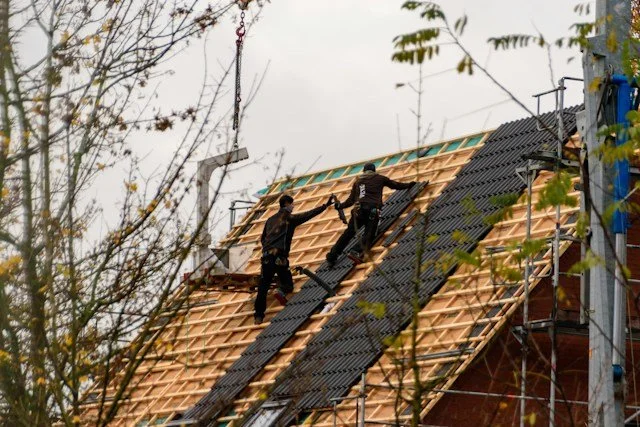
Image via Unsplash
Image description: Two workers laying tiles on a roof side.
A 22-year-old metal roof may outlast an asphalt shingle roof that’s the same age. Metal roofing can last 40 to 80 years, depending on the materials, installation quality and maintenance. However, durability doesn't negate upkeep.
Strong winds can loosen bolts and fasteners, potentially compromising the roof's ability to withstand future storms. For insurance purposes, documented maintenance and a favorable inspection may offer stronger evidence of a roof's remaining lifespan than its installation date.
How Roof Shape and Securing Methods Affect Wind Risk
Florida's hurricane exposure makes roof design and attachment methods important considerations for insurers. Two similarly aged roofs can present different risks depending on their shape, construction and resistance to wind uplift.
Several structural features influence how well a roof withstands severe weather:
Roof shape: Hip roofs have slopes on all four sides, distributing wind forces. Insurers may view these designs more favorably, while complex rooflines with multiple levels can introduce additional areas vulnerable to leaks and damage.
Structural connections: Metal straps and anchors help establish a continuous connection throughout the structure, forming a load path that transfers wind forces from the roof through the walls to the foundation.
Wind uplift protection: In hurricane-prone areas such as Miami-Dade County, modern roof-securing methods reduce the risk of loose roofing materials being lifted or blown off during storms.
A wind mitigation inspection can document these with photographs of angles and features that may qualify your property for insurance discounts, depending on the insurer and inspection findings.
A Quick Checklist for Buyers and Sellers

Image via Unsplash
Image description: Tightening roof sheets and frames helps ensure security in high-wind conditions.
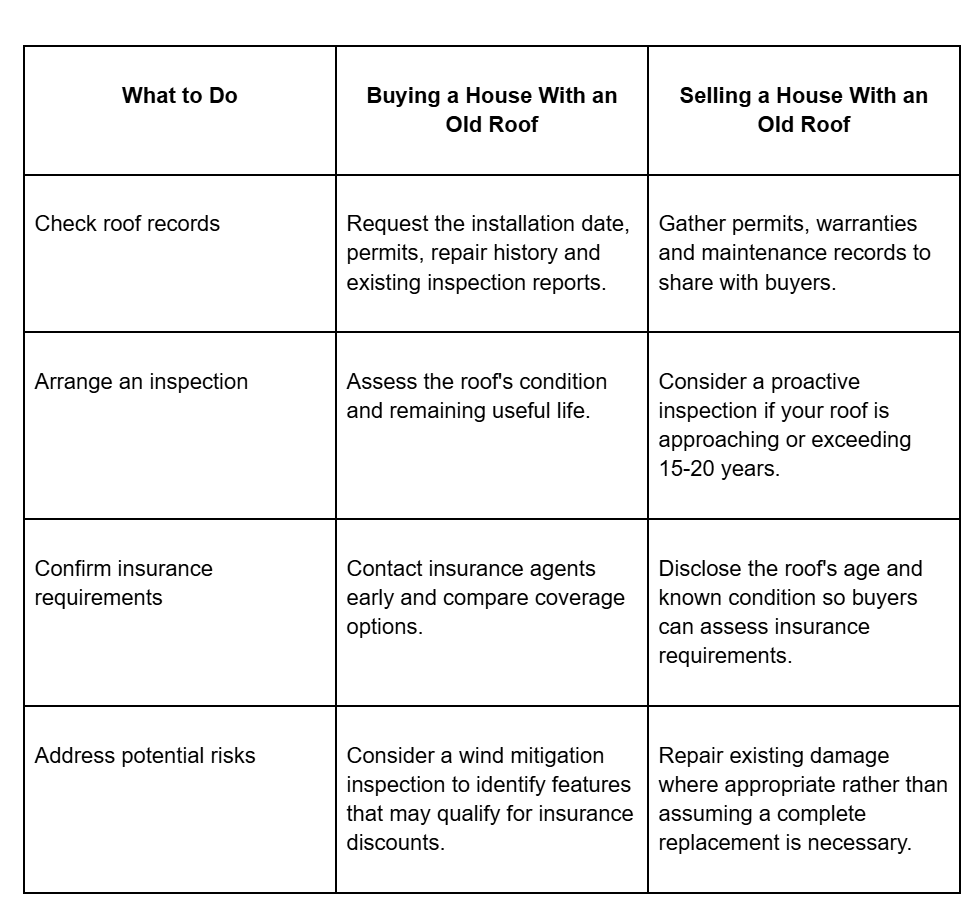
Buying a house with an old roof in Florida doesn't automatically prevent a successful property transaction. However, addressing its condition and insurance requirements early can reduce surprises before closing.
Frequently Asked Questions

Image via Unsplash
Image description: A well-maintained roof in Florida.
If you’re still unsure how Florida’s roof rules affect your property, these answers address common questions.
When is a 4-point inspection required in Florida?
When selling a house with an old roof in Florida, sellers aren’t legally required to schedule a four-point inspection. Instead, the buyer typically orders and pays for it. Individual insurers determine when they require four-point inspections, often based on the home's age.
Is a 4-point inspection required for every Florida home?
Florida doesn't impose a universal four-point inspection requirement for every home. Your insurer may request one based on the property's age, condition or underwriting criteria.
Does a roof over 15 years old affect homeowners insurance in Florida?
A roof’s age can influence an insurer's assessment, but reaching 15 years doesn't automatically disqualify your roof. An authorized inspection confirming the roof will last for several more years protects against denial based solely on age.
Can Florida insurance refuse coverage because of the roof’s age?
Insurers cannot reject a roof solely because of its age when the statutory protections apply. However, they may refuse coverage for documented damage, deterioration or other lawful underwriting reasons.
What is Florida's roof age rule vs. 25% rule?
The 15-year rule concerns insurance eligibility and roof inspections. The separate 25% rule applies to building code requirements for roof repairs and replacements. Neither automatically means that every roof that reaches 15 years old must be replaced.
An Older Roof Needn’t Break the Deal
A roof's age tells only part of the story. Its condition, remaining lifespan and ability to withstand Florida's weather can be more meaningful when determining whether a property is worth buying or insuring. By arranging inspections early and keeping maintenance records available, you can approach a sale with greater confidence.
Disclaimer: This article is for general informational purposes only and is not legal or insurance advice. Because coverage decisions can vary by insurer and property, buyers should confirm available coverage with an insurance agent for the specific home before closing.