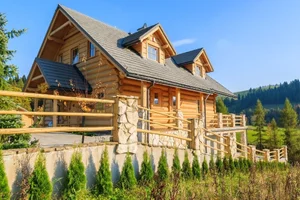
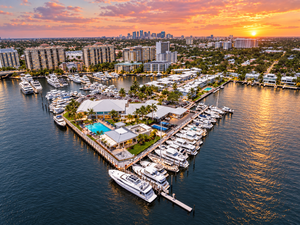
If you're the adventurous type who's always itching to get on a holiday weekend on your favorite beach, or you want to experience living in the countryside more often, chances are you have been thinking how nice it would be to have your own vacation home.
And although owning a vacation home is a decision that shouldn’t be taken too lightly, it can also be profitable (and enjoyable) in the logistical and financial sense. In the 2017 NAR Investment and Vacation Home Buyer’s Survey, more than 80 percent of vacation buyers reported that now is a good time to purchase real estate. For some people, it is a matter of money and responsibility, and the process could be too intimidating. But for some, it might be a matter of experience and recreation, especially for those who are looking to have a retirement place in the future.
Here are our investment tips to help you with your decision:
Determine your intentions for the home
Ask yourself what you plan to do with the house. Aside from enjoying it over the holidays, would you like to rent it out during the off-peak season? You need to consider how you want to use and own your property for financing and tax issues. It's your choice if you want it to be your primary residence, your second home, or even have it as an investment property. According to NAR*, at least 42 percent of vacation home buyers plan to use their property for vacations or as a family retreat, while 18 percent plan to convert their vacation home into their primary residence in the future for retirement.
Meanwhile, 37 percent of investment property buyers purchased the home to generate income through renting the property. You can rent the home and even use it when it's not rented. Tax treatment is less beneficial if you'll use it as an investment, but the extra rental income can help you with the costs.
Greatly consider your vacation home's location
Even if you're lucky enough to have found your "magical place," you still need to take into consideration all the pros and cons in the area. It is best to visit the community many times over — both peak season and offseason — and check out other important factors such as the condition of roads in any time of the year, neighborhood safety, access to nearby shops and public transportation, and others. Spend more than a few weekends there and talk to the locals about any day-to-day hassles they may be encountering.
Calculate all the costs
The purchase price of your vacation home isn't the only thing that needs to be taken care of. You need to factor in all extra costs for running the house — from taxes, insurance, property maintenance, HOA fees, utilities, and all other costs associated with homeownership. You might also want to consider the travel costs to your vacation home. It is also advisable to plan for personal budget items that lenders don’t use in their qualifying calculations, such as furniture and housewares. You’ll also need a budget for special equipment needed for properties near the beach or resort.
Work with a real estate agent who knows the area
Your chosen country town may look great; picturesque even. But you might want to consider the state of roads leading into the area during winter. You will also need advice on local zoning and property rental rules. A local real estate agent who knows the area by heart can help you clarify any issues associated with buying in your chosen location. The agent can also help you envision your dream vacation home in any season, and is a great resource for any information related to the community.
Know the area's proximity and have a plan for emergencies
They say the best vacation homes are easy to get to and have alternate routes to avoid traffic. It is also smart to choose a house that is within driving distance from your primary residence so you'll be able to check on it more often for any necessary repairs and maintenance issues.
*2017 NAR Investment and Vacation Home Buyer’s Survey