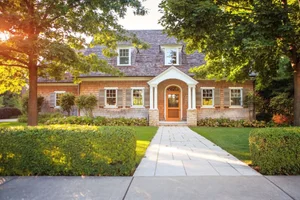
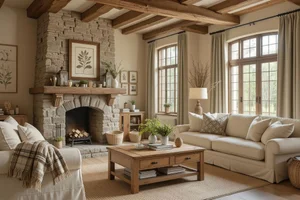
A multigenerational household is typically made up of aging parents, their adult children, and their teenage or young grandchildren. This setup has seen a steady rise in recent years, with over 64 million Americans living and sharing a multigenerational household, according to a 2018 Pew Research Center analysis of census data. It's a large-scale change that continues to alter the way people buy and build homes.

What's fuelling this shift?
There are many factors that can help explain the rise of multigenerational living. According to the 2020 Profile of Home Buyers and Sellers by the National Association of Realtors (NAR), 12 percent of home buyers purchased a multi-generational home (same as last year) to take care of aging parents, because of children over the age of 18 moving back home, and for cost-saving.
Likewise, experts cited the growing immigrant population, economic, and cultural factors that are fuelling this trend. The Asian and Hispanic populations are growing steadily, and they are more likely than whites to live in a multigenerational household, according to the Pew Research Center report.
Skyrocketing rents and home prices, especially in some cities, are also affecting a growing number of people. Many of them decide to move back to their homes, especially those who are struggling to get good-paying jobs or still paying off student debt. Also among them are millennials who want to save up more money to be able to return to school or save for a down payment for a home.
Likewise, adult children offer their home to their aged parents as a convenient and cost-effective option. They can save up on child care expenses while helping with caregiving, which helps family members to save money. These are just some of the practical, economic, and emotional benefits that a multigenerational living situation gives to these families.

Many of the homes built for these customers include multiple kitchens, a separate living room, bath, laundry, and garage, among others. They may also include a “granny suite” or in-law suite with a separate entrance or a walkway that connects it to the main house. Most of these dwellings also have modern amenities such as dual thermostat controls and other features that cater to the needs of the older family members. No wonder why it is called “a home for all generations,” or “a home within a home,” and more families are embracing this kind of living arrangement.

1. Managing household costs and budget

This could be the biggest drawback of families who are moving in together. They should agree firsthand on how they will handle household costs, such as mortgage, utilities, bills, and even groceries. Families should analyze their expenses and go over their budgets to address any concerns. Members should never get the idea that sharing these expenses won't be a big deal just because “they’re all related.”
2. Maintaining privacy

When multiple generations live together, one thing that can be very difficult to maintain is privacy. It can disrupt family harmony, especially for adult children and their aging parents. So families should consider a home with separate entrances or walkways, kitchens, and bathrooms. This way, they can preserve family harmony while still living in the same roof where they can depend on each other.
3. Dealing with zoning issues and restrictions

Granny studios or granny flats, in-law suites, and other accessory dwelling units and structures are subject to local building codes and zoning restrictions. Some cities are fine with homes that have separate kitchens and entrances. In California, for an instance, laws have been passed to ease restrictions on building a second unit on the same piece of land.
However, other cities impose stricter rules since they want to draw a line on whether a home is designed only for family use, as opposed to being used as a rental.
Bottom Line
For families who have decided they want this kind of arrangement and are starting to look for a home, find a real estate agent or broker who has experience in selling multigenerational homes and also knows the area well. Your agent can help make the process smooth-sailing since he or she should be familiar with the multifamily market and can better understand your family's special arrangements.