7 South Florida Yard Upgrades That Improve Curb Appeal Before Listing
By Scott Lehr PA | The Home Owners Listing Team
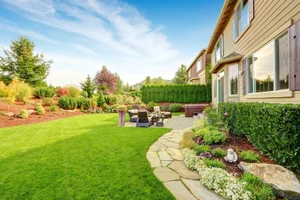
South Florida homeowners have a unique advantage when it comes to curb appeal. The warm climate, tropical plant options, and year-round outdoor lifestyle make it possible to create a beautiful yard that feels inviting in every season. At the same time, heat, humidity, salt exposure, seasonal heavy rain, and tropical weather mean landscaping choices need to be practical, not just attractive.
That becomes particularly important when preparing a property for the South Florida real estate market. Before a prospective buyer walks through the front door, the exterior of the property has already started forming an impression. Landscaping does not have to be elaborate or expensive, but neglected beds, overgrown shrubs, bare lawn areas, drainage problems, and an obstructed entrance can distract from an otherwise attractive home.
The best landscaping plans are the ones that look good, fit the architecture of the home, and remain realistic to maintain. Whether a homeowner is preparing to sell, refreshing an older property, or simply trying to make the front yard feel more polished, a few focused improvements can make a noticeable difference.
Homeowners looking for additional landscaping ideas can also explore different layouts, planting concepts, hardscape treatments, and yard-design inspiration before deciding which improvements make sense for their property.
Here are seven South Florida yard upgrades to consider when the goal is creating stronger curb appeal without turning the property into a high-maintenance landscaping project.
1. Use Native and Climate-Friendly Plants
One of the easiest ways to create a better-looking yard is to choose plants suited to South Florida's conditions. The University of Florida's Institute of Food and Agricultural Sciences emphasizes the concept of putting the right plant in the right place as part of Florida-Friendly Landscaping.
That means considering more than appearance. Sun exposure, drainage, soil, available planting space, mature plant size, irrigation needs, and salt tolerance can all influence whether a plant thrives.
UF/IFAS maintains an extensive South Florida low-maintenance plant resource containing more than 330 species, with information such as light preference, salt tolerance, plant size, and establishment status.
Native and climate-appropriate options homeowners may encounter include:
- Coontie
- Firebush
- Muhly grass
- Saw palmetto
- Simpson's stopper
- Florida-friendly groundcovers
- Salt-tolerant plants for appropriate coastal locations
The correct choice still depends on the individual property. A plant that performs beautifully at one Fort Lauderdale home may struggle at another because of shade, drainage, irrigation, soil conditions, or proximity to salt air.
Why Plant Selection Matters Before Listing
A landscape filled with unhealthy or mismatched plants can require considerable work to keep presentable. By contrast, a smaller selection of healthy plants repeated throughout the yard can create a cleaner and more intentional appearance.
Sellers should generally focus on improving visible problem areas rather than attempting to completely redesign an established landscape immediately before listing.
2. Create a Clean, Welcoming Front Entry
The front entry is one of the first areas visitors and potential buyers notice. A walkway lined with simple plantings, fresh mulch, low-voltage lighting, or decorative stone can immediately make the entrance feel more cared for.
The goal is not to overcrowd the doorway. In many cases, a clean path, trimmed plants, washed hard surfaces, and a few balanced accents near the entrance are enough.
Before listing, homeowners can inspect the entrance for simple issues such as:
- Overgrown shrubs covering windows
- Branches obstructing the walkway
- Weeds between pavers
- Faded or depleted mulch
- Dirty exterior light fixtures
- Dead or struggling container plants
- Uneven landscape borders
- Plants obstructing the house number
For South Florida homes, it is also smart to keep vegetation from blocking doors, windows, walkways, security lighting, and important architectural details.
When preparing a home for professional photography, showings, or an open house, simplifying the front entrance can also help keep visual attention on the property itself.
3. Add Fresh Mulch or Decorative Rock
Fresh mulch is one of the fastest ways to make existing landscaping look more finished. It helps visually define planting beds, can suppress weeds, and creates separation between lawns and landscaped areas.
Decorative rock can also work well in selected areas, particularly where homeowners want a different appearance or where landscape materials need to complement drainage and maintenance requirements.
The key is consistency.
Choosing one or two complementary materials and repeating them throughout the property will generally create a more cohesive appearance than mixing numerous colors, borders, stones, and textures.
Pay Attention to Existing Landscaping
Adding new mulch does not solve every landscaping problem. Dead plants, weeds, exposed irrigation components, broken edging, or severely overgrown shrubs should be addressed first.
Think of mulch or decorative rock as the finishing layer rather than a substitute for basic landscape maintenance.
4. Improve Outdoor and Landscape Lighting
Landscape lighting can make a property feel more polished after sunset while improving visibility around walkways and entrances.
Potential applications include:
- Path lighting
- Front entrance lighting
- Uplighting selected palms or trees
- Lighting architectural details
- Subtle garden-bed lighting
- Lighting near steps or changes in elevation
Homeowners do not need to illuminate every tree, wall, or plant. Too much landscape lighting can overwhelm the property.
A few thoughtfully positioned fixtures can highlight the strongest features while preserving a clean appearance.
This can be particularly relevant when marketing homes where outdoor spaces, pools, patios, tropical landscaping, or waterfront areas are important elements of the property's presentation.
5. Replace Difficult Lawn Areas With Low-Maintenance Alternatives
A healthy lawn can provide attractive curb appeal, but some South Florida yards have areas where turf continually struggles because of shade, drainage, tree roots, pets, irrigation patterns, or heavy foot traffic.
Instead of repeatedly replacing grass in areas where it performs poorly, homeowners may want to evaluate alternatives such as:
- Appropriate groundcover plants
- Expanded planting beds
- Stepping stones
- Decorative gravel
- Defined pathways
- Florida-friendly plant groupings
This can be particularly useful along side yards, beneath trees, beside fences, and in narrow strips where grass is difficult to maintain.
The objective is to make the change look intentional. A defined planting bed or walkway looks substantially different from an area that simply appears to have missing grass.
6. Plan for South Florida Drainage Before Adding Plants
Heavy seasonal rainfall makes drainage an important part of South Florida landscaping.
Before adding plants or redesigning a yard, homeowners should observe what happens during and after a significant rain.
Look for:
- Standing water
- Soggy planting beds
- Mulch washing into walkways
- Water collecting near structures
- Erosion
- Persistent muddy areas
- Water flowing across walkways
Low areas and locations near downspouts may require further evaluation before new landscaping is installed.
Depending on the property and severity of the condition, potential solutions might involve grading, drainage improvements, gravel, different planting materials, or plants capable of tolerating wetter conditions.
More significant drainage conditions should be evaluated by an appropriately qualified professional rather than concealed with new landscaping.
Florida-Friendly Landscaping Also Addresses Runoff
The University of Florida's Florida-Friendly Landscaping program identifies reducing stormwater runoff as one of its nine core principles. Other principles include choosing the right plant for the right place, watering efficiently, mulching, managing yard pests responsibly, and protecting waterfront areas.
7. Keep the Landscaping Simple and Balanced
Many curb appeal problems do not come from having too little landscaping. They come from having too much visual clutter.
Common examples include:
- Too many unrelated plant varieties
- Oversized shrubs
- Mismatched landscape borders
- Plants competing with architectural features
- Overgrown beds
- Plants installed too close together
- Multiple decorative materials competing visually
A simpler design often creates a cleaner appearance and can be easier to maintain.
Homeowners can start by choosing a few repeated plants, keeping bed lines clean, trimming overgrown shrubs, and allowing enough space for plants to mature.
Balance matters more than filling every empty location.
A simple, organized landscape can help the entire exterior feel cleaner and better maintained.
Landscaping Before Selling a South Florida Home
For homeowners preparing to sell, landscaping should be viewed as part of the property's overall presentation rather than an isolated renovation project.
The question is not necessarily, "How much landscaping can we add?"
A better question may be:
"Which exterior improvements will help the property look cleaner, more inviting, and appropriately maintained?"
That distinction can prevent homeowners from spending heavily on improvements that may not be necessary for the property's positioning.
Depending on the home, preparing the exterior could be as straightforward as trimming existing vegetation, pressure-cleaning walkways, removing dead plants, refreshing mulch, improving lighting, and correcting obvious maintenance issues.
Homeowners considering selling in Broward County can also explore current properties and neighborhood options through our local real estate resources:
What Does Florida-Friendly Landscaping Mean?
Florida-Friendly Landscaping is a research-based approach promoted by the University of Florida IFAS Extension. It is designed around landscaping practices appropriate for Florida's environment.
Its nine principles are:
- Right Plant, Right Place
- Water Efficiently
- Fertilize Appropriately
- Mulch
- Attract Wildlife
- Manage Yard Pests Responsibly
- Recycle Yard Waste
- Reduce Stormwater Runoff
- Protect the Waterfront
For homeowners planning substantial landscaping improvements, these principles provide a useful framework because they encourage property owners to consider the long-term suitability of landscaping rather than selecting plants based solely on appearance.
South Florida Landscaping Resource
The University of Florida IFAS Extension publishes research-based information on Florida-Friendly Landscaping and maintains a South Florida low-maintenance plant resource containing more than 330 plant species.
View the UF/IFAS Low-Maintenance Landscape Plants for South Florida resource .
Final Thoughts: Curb Appeal Does Not Have to Be Complicated
South Florida landscaping works best when beauty and practicality are planned together. Homeowners should choose plants appropriate for their property conditions, keep entryways clean, account for drainage, and focus on improvements they can realistically maintain.
A yard does not need to be complicated to make a strong first impression.
Healthy plants, defined landscape beds, clean borders, appropriate lighting, visible walkways, and a consistent design can help create a more polished exterior.
For sellers, the objective should be to make the landscaping support the home rather than compete with it.
That can be especially important throughout Fort Lauderdale and Broward County, where tropical landscaping, outdoor living, pools, waterfront settings, and year-round exterior spaces are frequently part of how South Florida properties are experienced.
If you are preparing to sell, consider evaluating the landscaping at the same time you evaluate paint, repairs, staging, photography, and other elements of your listing preparation.
Sometimes the most effective curb appeal improvements are not major renovations. They are simply the details that make a home look clean, intentional, cared for, and ready to be shown.
Thinking About Selling Your South Florida Home?
Before spending money on landscaping, renovations, or other pre-listing improvements, talk with Scott Lehr and The Home Owners Listing Team about how your property should be positioned for the South Florida real estate market.
Get a Free Home Value Report View Our Listings Contact The Home Owners Listing TeamFrequently Asked Questions About South Florida Landscaping and Curb Appeal
What landscaping improvements can help curb appeal before selling a South Florida home?
Start with visible maintenance items: trim overgrown vegetation, remove dead plants, refresh mulch, define landscape beds, clean the front walkway, address struggling lawn areas, and make sure the entrance is open and easy to see. Strategic outdoor lighting can also improve evening presentation.
What plants work well for South Florida landscaping?
Plant selection should be based on sunlight, soil, drainage, salt exposure, available space, and maintenance requirements. Depending on the site, Florida-friendly or native choices may include coontie, firebush, muhly grass, saw palmetto, Simpson's stopper, and other species recommended for South Florida conditions.
Should I completely redo my landscaping before listing my house?
Not necessarily. Sellers should first determine whether the existing landscaping can be improved through trimming, cleanup, replacement of unhealthy plants, fresh mulch, pressure cleaning, and other targeted maintenance. A complete redesign may not be necessary for every property.
Why is drainage important when landscaping in South Florida?
Seasonal heavy rainfall can expose low spots and drainage problems. Installing plants without considering existing water flow can contribute to muddy areas, plant stress, erosion, and washed-out landscape materials. Significant drainage concerns should be professionally evaluated.
What is Florida-Friendly Landscaping?
Florida-Friendly Landscaping is a research-based landscaping approach developed around nine principles, including selecting the right plant for the right place, efficient watering, appropriate fertilization, mulching, reducing stormwater runoff, responsible pest management, and protecting waterfront environments.