What You Need to Know About Financing a Log Home
Financing a log home can look a little different from getting a mortgage for a traditional house. That doesn't mean buying one is out of reach, but you may run into lending requirements that don't come up during a typical home purchase.
If you're asking about financing a log home, it helps to know what lenders will look for before you start making offers. Understanding the process early can also help you avoid delays once you've found a property you want to buy.
Lenders Treat Log Homes Differently
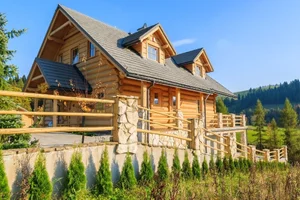
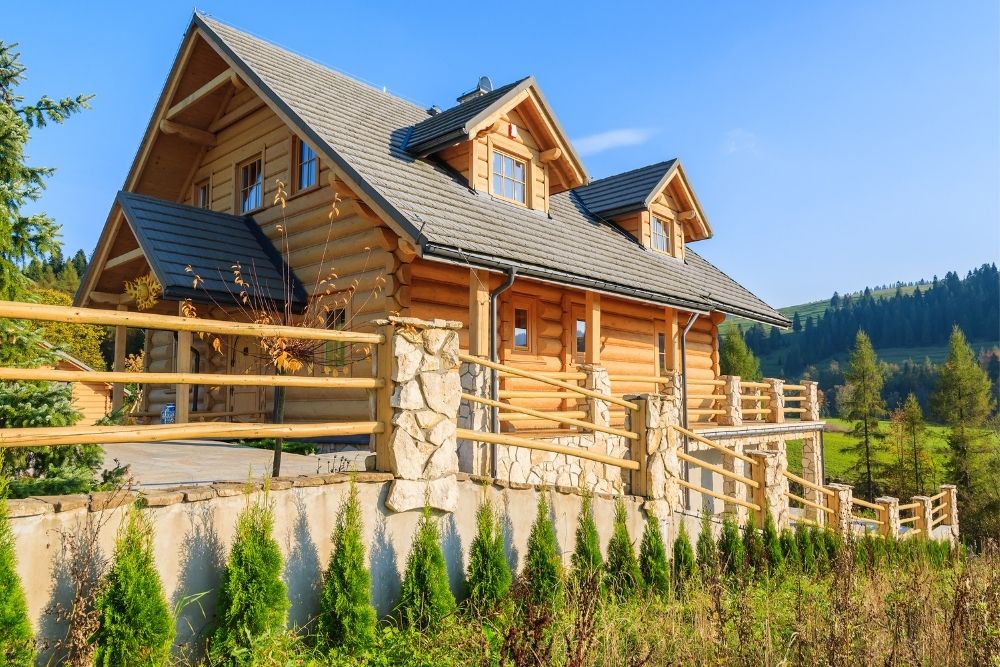
Log homes often fall into a specialty property category. Because they aren't as common as traditional homes, some lenders are more cautious about financing them.
Conventional financing may still be available, although you'll usually want a lender that has experience with log construction. Some lenders may not finance these homes at all, while others may approve them with additional requirements.
That makes the lender you choose especially important. Before you get too far into your home search, ask whether the lender has financed log homes before and whether the property type affects the mortgage programs available to you.
Getting that information early can help you search within a price range and property type that your financing can support.
Log Cabin Homes Come With Added Scrutiny
Log cabin homes can require a closer property review because they're prone to a variety of issues that may affect the home's condition or long-term value.
The appraisal may take longer than it would for a conventional home because the appraiser has to evaluate the construction carefully. The home's upkeep will also receive attention.
Problems such as rot or settling can interfere with financing if they affect the property's safety or value. In some cases, repairs may need to be completed before the lender can approve the loan.
If you're seriously considering a log home, learning as much as possible about its condition before the appraisal can help you prepare for what comes next.
Finding Comparable Sales Can Be Harder
An appraisal doesn't only examine the home itself. The appraiser also needs comparable recent sales to help determine what the property is worth.
That can be more complicated with a log home because there may not be many similar properties nearby. A traditional house down the road may not provide the right comparison if its construction is significantly different.
When comparable log homes are scarce, the appraised value may come in lower than the purchase price. Since your lender bases the loan on the appraised value, that difference can affect how much money you need to bring to closing.
This is one reason buyers should avoid assuming the agreed purchase price will automatically become the appraised value.
New Construction Follows a Different Path
If you're building a log home instead of purchasing an existing one, you'll likely use a different type of financing.
A construction-to-permanent loan is commonly used for new builds. Rather than receiving the entire loan amount at once, funds are typically released as construction reaches approved stages. Once the home is complete, the loan converts into permanent mortgage financing.
Before construction begins, ask your lender how the draw process operates and what documentation will be required along the way. Knowing how the financing is structured can make it easier to coordinate with your builder throughout the project.
Your Builder May Need Lender Approval
When you're financing new construction, the lender may review the builder as part of the loan process.
That review can include the builder's qualifications and experience with log construction. Lenders may also want documentation related to the project before approving the loan.
If you already have a builder in mind, bring that information into your early conversations with the lender. Waiting until construction is about to begin can create delays if the builder still needs to go through an approval process.
Buyers who plan to contribute some of the labor themselves should also talk with their lender before assuming that arrangement will be permitted.
Down Payment Requirements May Run Higher
You may need a larger down payment for a log home than you would for a more conventional property.
Some lenders require buyers to put down 20 to 30 percent because specialty construction can be more difficult to resell if the lender ever has to take possession of the property. Requirements vary, so don't assume every lender will ask for the same amount.
Knowing your likely down payment before you shop can help you determine how much cash you want to keep available for the rest of the purchase.
Insurance Can Affect Your Loan
Homeowners insurance is another part of the financing process. Your lender will require insurance before closing, and log construction can affect which insurers are willing to cover the property. The home's location may also influence coverage availability.
Instead of waiting until closing is approaching, consider requesting insurance quotes once you're seriously interested in a property. If coverage is difficult to obtain or more expensive than expected, you'll have more time to account for that cost before making a final decision.
Budget for Costs Beyond the Purchase Price
The purchase price isn't the only number to consider when you're buying a log home. You may also encounter higher inspection costs if you hire someone with experience evaluating log construction.
Before making an offer, leave some room in your budget for expenses that are specific to the property. That way, an added inspection or lender requirement doesn't immediately put pressure on the cash you've set aside for closing.
Plan for a Longer Closing Timeline
Buying a log home may take longer than buying a conventional house, especially when the lender needs additional documentation or a specialized appraisal.
Keep that possibility in mind when you choose a closing date. Giving the transaction some breathing room can reduce the pressure created by a tight deadline if one part of the loan takes longer than expected.
If you're coordinating a move around closing, it may also be wise to avoid plans that depend on the loan funding on the earliest possible date.
What to Keep in Mind Before You Start Shopping
Log home loans are possible, but preparation can make the financing process much easier to navigate.
Start talking with lenders before you fall in love with a particular property. Ask about their experience financing log homes and find out whether your preferred loan program can accommodate one. If you're building instead, discuss the construction loan process before signing contracts.
The earlier you understand how your financing will work, the easier it becomes to evaluate a log home based on what you can comfortably buy rather than discovering a financing problem after you're already under contract.
Questions to Ask Before Financing a Log Home
- Has the lender recently financed comparable log homes?
- Which loan programs accept the construction type and location?
- Will the appraisal require a specialist or an extended search for comparable sales?
- Are condition repairs required before closing?
- What down payment, reserves and closing timeline apply to this borrower and property?
- Can a licensed insurer provide coverage that satisfies the lender?
- For construction, how do draws, inspections, builder approval and conversion to permanent financing work?
Helpful Real Estate Resources
Frequently Asked Questions
Can you get a mortgage for a log home?
Financing may be available, but lender programs and property requirements vary. Speak with lenders experienced in log construction before making an offer.
Why can a log home appraisal be more difficult?
Log homes may have fewer nearby comparable sales, and the appraiser may need to examine specialty construction, condition and marketability more closely.
Do log homes require larger down payments?
Some lenders may require a larger down payment, but the actual amount depends on the lender, loan program, borrower qualifications, appraisal and property.
What financing is used to build a log home?
A construction-to-permanent loan may be used, with funds typically released in approved draws before the loan converts to permanent financing. Terms vary by lender.
Should buyers get an insurance quote before closing?
Yes. Because construction type and location can affect coverage and cost, consult licensed insurance professionals early and confirm acceptable coverage with the lender.
Considering a Specialty Property?
Get real estate guidance for the property search and transaction while your licensed lender evaluates financing options.
Contact The Home Owners Listing Team Call (954) 342-6180This article provides general educational information, not lending, credit, legal, tax, insurance, appraisal, engineering, construction or investment advice. Loan availability, rates, terms, down payments, appraisal requirements, insurance costs and approval decisions vary by borrower, lender, property and market conditions. Consult qualified lenders, appraisers, licensed insurance professionals, inspectors, builders, attorneys and tax advisers for property-specific guidance. The Home Owners Listing Team does not guarantee financing or appraisal outcomes.