Property Owner Guide · South Florida Real Estate
HVAC Problems To Check Before Buying a Home
Common heating and cooling concerns can affect a home purchase, from uneven comfort to airflow issues that may deserve closer attention from buyers.
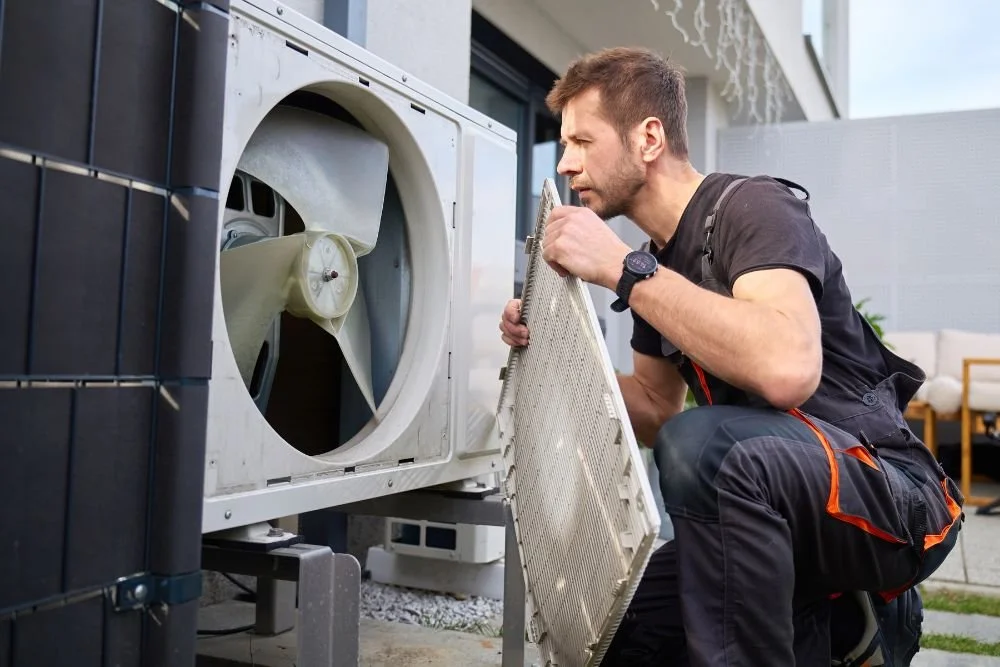
Buying a home can make it easy to focus on what you can see while overlooking systems that affect everyday comfort. A fresh interior won’t tell you whether the heating and cooling system struggles to keep a bedroom comfortable or makes unusual noises when it runs. Knowing which HVAC problems to check before buying a home can help you ask better questions and understand what you may inherit with the property.
You don’t need to diagnose the system yourself. Instead, pay attention to what you notice during a showing or inspection, then get qualified help when something deserves a closer look.
Pay Attention to Uneven Temperatures
As you walk through the property, notice whether certain rooms seem noticeably warmer or cooler than nearby spaces. A temperature difference doesn’t automatically indicate a serious HVAC problem because factors such as sunlight and room location can affect comfort. However, a persistent difference gives you a reason to ask questions.
Consider whether the HVAC system keeps the uncomfortable room at a consistent temperature. If airflow seems weak there, the issue may involve the air-distribution system rather than the thermostat setting.
Consider the Room’s History
Past renovations can matter, especially when they have changed the home’s usable living space. A previous owner may have converted an attic or finished another space without adequately adapting the HVAC setup to serve the new living area.
Ask what changed during major renovations and whether the owner updated the heating and cooling system at the same time. That context can help you understand why one part of the house doesn’t stay as comfortable as the rest.
Listen While the System Runs
Listen to the HVAC system while you tour the property. You don’t need to know what every sound means, but loud or recurring noises can signal that the system deserves further evaluation.
For example, whistling near a supply register may indicate restricted airflow. Rattling could come from a loose component or another source that needs attention. Rather than guessing at the cause, note where you hear the sound and bring it up during the inspection.
Notice the Air at Vents
Stand near a few supply vents while the system operates. You’re looking for obvious differences rather than trying to measure airflow by hand.
If one vent delivers noticeably less air than a nearby vent serving a similar space, ask why. Furniture or a closed damper may explain the difference, but ductwork can also play a role.
Look Beyond the HVAC Equipment
A relatively new furnace or air conditioner doesn’t guarantee that the entire heating and cooling setup works properly. If the home uses ducts, they must move enough air to keep each space comfortable.
Duct dimensions matter because undersized ducts can create excess resistance, while oversized ducts may reduce air velocity. Long duct runs and certain fittings can also restrict airflow as conditioned air moves through the system. If a home has recurring comfort problems, duct sizing errors may explain why certain rooms receive less airflow than others.
Ask About Previous HVAC Changes
If the seller replaced HVAC equipment, find out whether the project involved changes to the existing duct system. Reusing old ductwork isn’t automatically a problem, but new equipment still needs an air-distribution system suited to its requirements.
You’ll also want to ask about major layout changes. Removing walls or creating new rooms can change the heating and cooling needs within a home, so older ductwork may warrant another look after substantial remodeling.
Check the Condition of Accessible Ducts
You probably won’t see most of a home’s ductwork during a typical showing, but basements or utility areas may leave some sections exposed. Still, basements or utility areas may expose sections that you can observe without opening walls.
Visible damage deserves attention because conditioned air needs to remain inside the ductwork as it moves through the home. Crushed flexible ductwork can restrict that route, while disconnected sections can prevent conditioned air from reaching its intended destination.
If accessible ductwork looks questionable, don’t assume the visible section represents the entire system. Use what you notice as a reason to request a more thorough evaluation.
Review the System’s Basic History
Look for signs that the system hasn’t received much attention. A heavily clogged filter, for instance, can restrict airflow through the system. One neglected filter doesn’t reveal the entire maintenance history, so treat it as a prompt for further questions rather than proof of a larger problem.
Useful questions for the seller or inspector include:
- When did the current HVAC equipment go into service?
- What repairs has the system needed?
- Has anyone modified the ductwork?
- Do certain rooms have recurring comfort problems?
- Are service records available?
Watch for Short or Long Cycles
If you have enough time during an inspection, pay attention to the system’s operation. A unit that repeatedly starts and stops after short periods deserves attention, but you shouldn’t diagnose the cause from that behavior alone.
Likewise, a system that runs for a long time without bringing the indoor temperature closer to the thermostat setting may warrant further evaluation. Outdoor conditions and the starting indoor temperature can influence runtime, so context matters.
An HVAC professional can investigate the cause if the operating pattern raises concerns. That approach gives you more useful information than assuming you already know what the system needs.
Treat Comfort Problems as Clues
Some HVAC problems to check before buying a home show up as everyday comfort issues rather than obvious equipment failures. A room that stays uncomfortable while the HVAC system runs gives you a reason to investigate further. Instead of dismissing the issue because the equipment turns on, ask whether conditioned air reaches that space effectively. You’re trying to understand the home you may buy, not simply confirm that the thermostat can activate the system.
Connect HVAC Condition to Ownership
Heating and cooling concerns should factor into your broader assessment of the property’s condition. If an inspection identifies a problem, you’ll have clearer information to consider alongside the other responsibilities that come with ownership.
A qualified inspection can give you better context for concerns that you can’t evaluate during a walkthrough. Bring those findings into your larger view of the property so you can move toward your purchase with a clearer picture of the home you’re considering.
Explore South Florida Property Resources
Explore local homes and helpful buyer resources:
Frequently Asked Questions
What HVAC problems should buyers look for during a showing?
Notice uneven temperatures, weak airflow at vents, recurring noises, and rooms that stay uncomfortable while the system runs. Have a qualified professional evaluate concerns.
Does a new air conditioner mean the entire HVAC system is in good shape?
No. Ductwork, airflow, installation, maintenance, and changes to the home can affect comfort even when equipment is relatively new.
What HVAC history should I request before buying?
Ask when equipment went into service, what repairs were completed, whether ductwork changed, and whether service records are available.
Should I hire an HVAC professional before buying a home?
If you notice comfort, airflow, cycling, or equipment concerns, a qualified HVAC professional can assess them and explain possible next steps.
Buy with a Clearer Picture
Scott Lehr and The Home Owners Listing Team can help you evaluate homes and plan your South Florida purchase.
Explore Home ListingsCall (954) 342-6180About Scott Lehr
Scott Lehr, PA, works with The Home Owners Listing Team to support buyers and sellers across Broward, Miami-Dade, and Palm Beach counties. Learn more about Scott Lehr.
This article offers general educational information. HVAC equipment, ductwork, and indoor comfort vary by property. Consult a qualified HVAC professional for an assessment; a showing alone cannot establish the condition of a system.