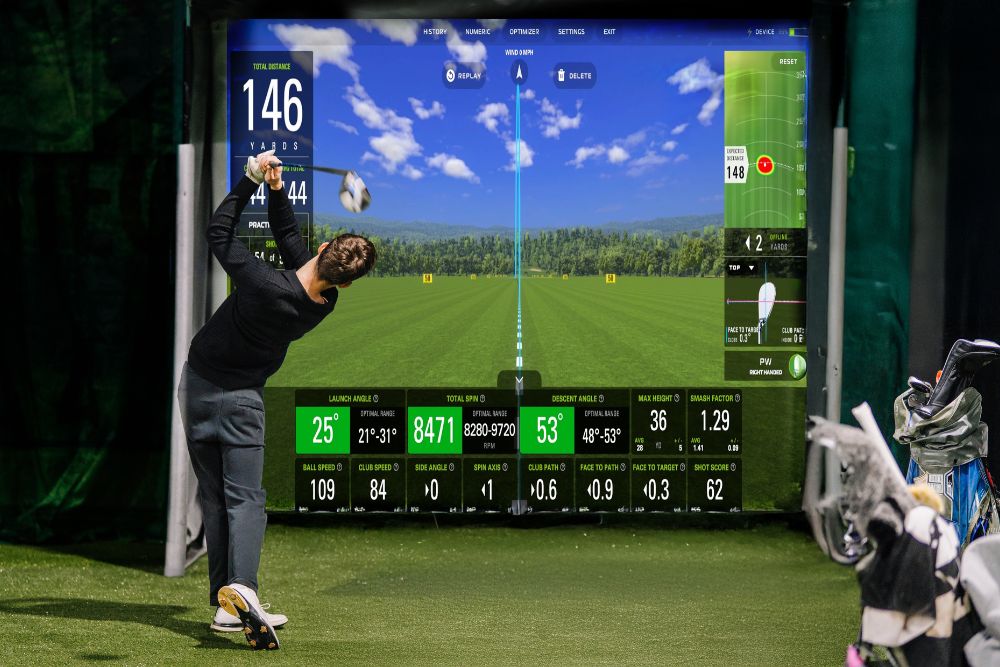
Does a Golf Simulator Add Value to Your House?
A golf simulator can turn an unused room into an entertainment space, practice area, or distinctive feature that sets a property apart. For homeowners who enjoy golf, the appeal is easy to understand. The more complex question is: does a golf simulator add value to your house?
There is no universal dollar amount that a golf simulator adds to a property. Its effect depends on the home, the installation, local buyer preferences, and how much flexibility the room retains. Understanding the effect of a simulator on property value means looking beyond the price of the equipment and considering how buyers evaluate the space as part of the entire house.
A Simulator Can Add Appeal Without Guaranteeing a Higher Appraisal
Homeowners sometimes assume that spending money on an upgrade will produce a comparable increase in resale value. Real estate does not work that neatly.
An appraiser typically evaluates a home through factors such as location, size, condition, comparable sales, and permanent property features. Special recreational equipment may contribute to the overall quality and appeal of a property, but that does not mean the equipment's purchase price will translate directly into appraised value.
A simulator may make a home stand out to someone who plays golf or wants an indoor recreation space. A buyer could also value the convenience of practicing at home without traveling to a course or driving range. In a competitive luxury market, distinctive lifestyle features may help a listing create a stronger impression, even when assigning a precise dollar value to the feature is difficult.
The Type of Home Makes a Difference
Luxury Homes May Be a Stronger Match
Larger or luxury homes commonly provide more space for amenities. A theater, wine room, gym, game room, or golf simulator can complement a property where buyers already expect recreational features.
In that context, a simulator may feel like an enhancement rather than a sacrifice. Buyers can still have sufficient bedrooms, storage, living areas, and flexible space elsewhere in the house.
Smaller Homes Require More Careful Planning
Space becomes more valuable in homes without as much square footage. Buyers who need an office, guest room, nursery, or additional bedroom may place greater value on the original function than a golf simulator.
A flexible installation can help address that issue. If future owners can easily convert the room back to another use, the simulator is less likely to narrow the property's audience.
Installation Quality Can Shape Buyer Perception
Installation plays a significant role in whether a golf simulator adds value to your house. The equipment itself represents only part of the finished feature. The room around it also affects how buyers respond.
A thoughtfully planned simulator room can integrate seamlessly with the house. Proper lighting, sufficient ceiling clearance, clean wiring, quality finishes, and sensible equipment placement can make the area feel intentional. By contrast, exposed cables, damaged walls, awkward platforms, or poorly finished modifications can make buyers think about repair costs.
Homeowners considering a dedicated setup can review examples of residential golf simulator systems to understand how features such as tracking equipment, custom installation planning, and multipurpose entertainment capabilities can factor into room design. The more naturally the installation works with the room, the easier it can be for buyers to see it as part of the property's lifestyle appeal.
Permanent vs. Removable Equipment Matters
Homeowners should also think about what will remain with the property after a sale. A simulator can include screens, projectors, computers, sensors, flooring, speakers, hitting mats, and other components. Some elements may attach permanently to the room, while others can move with the seller.
If the equipment will remain, sellers must determine what they’ll do with the equipment in the purchase agreement. If the seller plans to remove major components, listing photos and descriptions should not leave buyers expecting a complete functioning simulator at closing.
Buyer Demand Matters More Than Personal Cost
A homeowner might spend a substantial amount creating a premium simulator room and use it for years. That personal value can justify the project even if the eventual resale return is uncertain. Future buyers evaluate the feature differently.
A golfer may assign significant value to a ready-to-use simulator. Another buyer may see a convenient media room. Someone with no interest in either use may immediately calculate the cost of converting the space.
Should You Build a Golf Simulator Room?
Consider Ceiling Height and Room Dimensions
Golf swings require adequate clearance. A cramped room can undermine the experience and may require structural changes that make the project more expensive.
Room width and depth also matter because players need suitable distance from the screen and enough space around the hitting area. If major structural work is necessary, homeowners should consider whether the resulting space will remain useful if they remove the simulator later.
Protect the Room's Flexibility
A simulator room does not have to serve only one purpose. A retractable screen, adaptable lighting, movable furniture, or entertainment equipment can allow the area to function as a media room or general recreation space. That flexibility can matter when selling because prospective buyers do not need to share the current owner's exact interests to appreciate the room.
Think About Resale Before Making Structural Changes
Removing closets, altering windows, lowering floors, or making other significant changes can affect how the room functions after the simulator is gone. Before making those changes, homeowners should ask whether the renovation improves the property independently of the simulator equipment. If not, a less permanent design may make more sense.
How To Present a Golf Simulator When Selling
Presentation can influence how buyers interpret an amenity like a golf simulator. Sellers should show the simulator as a usable feature rather than allowing equipment to dominate an otherwise attractive room. Good listing photos can establish scale and help buyers understand how the area fits into the rest of the home.
Descriptions should remain accurate. Calling a simulator an expensive luxury upgrade does not establish its market value. Instead, listing materials can explain what the room offers and whether the equipment stays with the property.
It may also make sense to emphasize flexibility when the room can support several uses. Buyers who do not play golf may still appreciate an entertainment area.
Is a Golf Simulator Worth Adding Before You Sell?
Installing a golf simulator solely to increase a home's sale price carries uncertainty. Special improvements depend too heavily on individual buyer preferences to promise a predictable return.
The decision looks different when a homeowner plans to use the simulator for several years before selling. In that situation, the owner receives value from the feature while living in the home, and any resale benefit becomes an additional consideration rather than the sole reason for the project.
The Bottom Line
A golf simulator can add value, but that value does not always appear as a simple increase in appraisal figures. Its strongest contribution may come through buyer interest, lifestyle appeal, and the distinctive character it gives a property.
For homeowners who already want a simulator, resale considerations can help shape a smarter installation. For those considering one strictly as an investment, the potential return remains less predictable than upgrades with broader everyday use.
South Florida Real Estate Perspective
In South Florida, a polished indoor golf simulator may complement a larger or luxury property, particularly when the room also works as a media, game, fitness, or recreation space. Its market impact remains property-specific. Comparable sales, neighborhood expectations, installation permanence and actual buyer demand matter more than the equipment's original cost.
Helpful Real Estate Resources
Frequently Asked Questions
Does a golf simulator increase a home's appraised value?
It may contribute to overall quality and appeal, but it does not guarantee a dollar-for-dollar increase in appraised value. Appraisers also consider location, size, condition, comparable sales and permanent property features.
What makes a golf simulator attractive to home buyers?
A well-designed simulator can provide recreation, practice and entertainment value. Buyer response is generally stronger when the installation looks intentional and the room remains adaptable for other uses.
Should golf simulator equipment stay when the home is sold?
That depends on the sale terms. Sellers should identify which screens, projectors, sensors, computers, mats and other components are included and document those terms clearly in the purchase agreement.
Is installing a golf simulator worthwhile before selling?
Installing one solely to raise the sale price carries uncertainty because demand is buyer-specific. It may make more sense when the homeowner expects to use and enjoy it before selling.
Wondering How Buyers May View Your Home's Upgrades?
Request a property-specific real estate review before listing. The Home Owners Listing Team can help position specialized rooms and amenities accurately for South Florida buyers.
Request a Home Valuation Call (954) 342-6180This article provides general educational information, not an appraisal, legal opinion, tax advice, construction guidance or guarantee of market value. Property value and buyer response vary. Consult appropriately licensed real estate, appraisal, legal, tax and construction professionals for advice about a specific property or transaction.