What To Consider Before Buying a Unique Home
Distinctive properties can offer something conventional houses cannot, whether that means unusual architecture, specialized living space, or a setting tailored to a particular lifestyle. Yet features that make a home memorable can complicate decisions buyers normally make with familiar assumptions. Knowing what to consider before buying a unique home requires separating those decisions instead of repeatedly asking whether the property is simply “worth it.” Buyers can evaluate its legal standing, physical structure, transaction requirements, everyday usefulness, and eventual market position as distinct parts of the purchase.
Confirm What You Are Legally Buying
The first question concerns what the property legally represents, not how appealing it looks. Some unconventional residences began life with another purpose before an owner converted them into homes, and others gained finished spaces through later renovations. Buyers should compare the property they tour with records to determine whether local documentation reflects its current residential use.
Pay particular attention to substantial conversions or additions that affect how the property functions. If records do not recognize a finished living space shown in the listing, ask for clarification before moving forward. This review establishes what legally belongs as part of the residential property and whether previous work received appropriate approval.
It does not determine the home’s physical quality, and that requires a separate investigation.
Identify the Construction You Are Evaluating
After confirming the property’s legal details, buyers can examine how builders constructed the home. Architectural finishes can conceal meaningful structural differences, so visual familiarity should not substitute for construction knowledge. Ask about the original building method and any major structural modifications completed later.
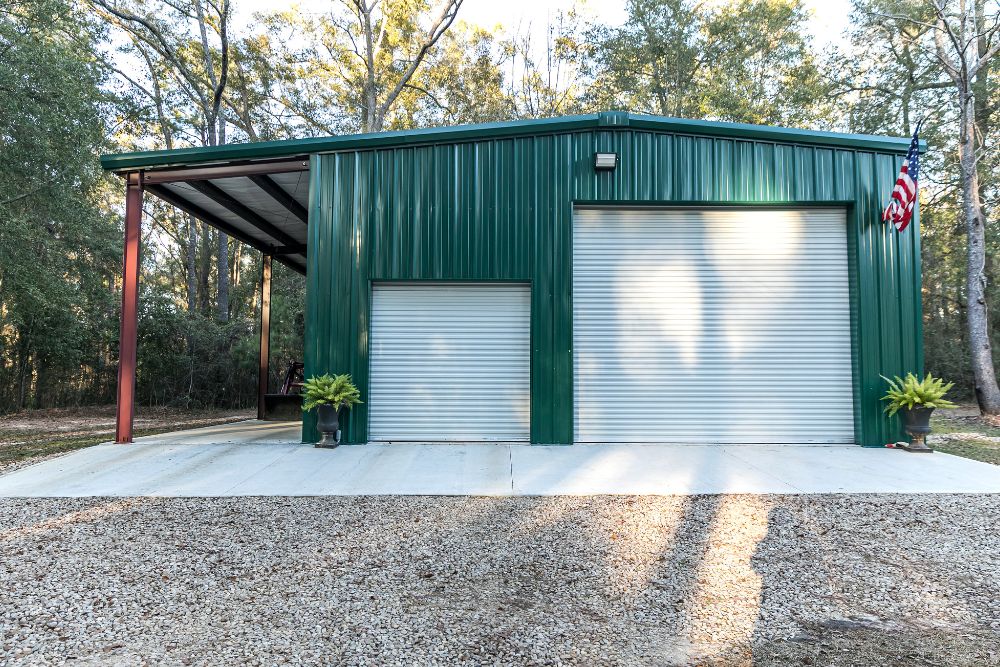
That distinction matters with homes that use less common building systems. Reviewing pole barn homes and stick-built homes differences can show why two residences with similar interiors may rely on different approaches beneath their finished surfaces. Buyers do not need to become construction experts. But they do need to identify the system accurately, so they can evaluate its construction properly.
Use the Inspection To Assess Present Condition
Construction type explains what buyers are looking at; an inspection addresses a different question: What condition is it in today? An experienced inspector can examine the home as it currently stands and identify defects or areas that deserve additional investigation. For an uncommon property, buyers should ask prospective inspectors about their experience with similar structures before choosing one.
Specialist evaluations should respond to findings instead of becoming an automatic checklist. For example, a general inspector who identifies unusual movement may recommend further structural evaluation. A concern involving a private utility system could lead to a different specialist. The inspection should focus on the home’s current condition, including any defects or areas that need further evaluation.
Find Out Whether Financing Fits the Property
Even a financially qualified buyer can encounter lending complications when the property itself falls outside a lender’s usual parameters. An appraisal may prove more difficult when few comparable homes have sold nearby, while certain property characteristics can trigger additional underwriting questions.
Buyers should give prospective lenders accurate information about the home early in the process. Ask whether similar properties have qualified for the loan program under consideration and whether the lender anticipates unusual appraisal requirements. The purpose of this conversation is narrow but important: determine whether the desired financing can support this transaction before contractual deadlines leave little room to change course.
Calculate the Cost of Owning Something Different
Financing determines whether the purchase can close under a particular loan structure, but affordability continues after closing. An unconventional home may carry ownership expenses that differ from the assumptions buyers developed while shopping for more typical properties.
Insurance costs can reveal how owning an unconventional home differs financially from owning a more typical property. A carrier may evaluate an unusual structure according to different underwriting criteria, making an actual quote more useful than an estimate based on another house. Maintenance costs deserve the same property-specific attention because specialty materials or uncommon components may require contractors with relevant experience. Evaluating these recurring expenses gives buyers a clearer picture of what the home may cost to own after closing.
Decide Whether the Layout Supports Real Life
Financial questions cannot answer whether the home will work well from one day to the next. During a showing, dramatic spaces can command attention because they feel different from familiar floor plans. Once buyers imagine ordinary routines inside those spaces, their practical value becomes easier to judge.
Consider how household members will use the rooms during a normal week. An expansive open area may suit someone who wants flexible gathering space but frustrate a household that regularly needs acoustic separation. Unusual storage arrangements can likewise matter more after move-in than they did during a short tour. Buyers should give the greatest weight to distinctive features that support established habits or anticipated needs.
Judge Resale According to Local Demand
A property can work beautifully for its current buyer without appealing equally to everyone who shops in the market later. That does not automatically make a unique home a poor investment. It means buyers should distinguish personal usefulness from broader buyer demand.
Because buyer preferences vary by location, local sales activity offers the clearest indication of how an unconventional home may perform at resale. Ask a real estate professional how comparable properties have performed and whether the home’s defining characteristics appeal to buyers in the area. Specialized spaces may strengthen a listing in markets where they complement local lifestyles, yet those same features can limit buyer interest where demand is lower. Evaluating the property within its specific market gives buyers a more useful resale perspective than assuming an unusual home will automatically be difficult to sell.
Build the Decision From Separate Answers
A distinctive property becomes easier to evaluate when buyers consider each part of the purchase on its own merits. Reviewing the legal records establishes exactly what the sale includes, while construction details and inspection findings reveal different aspects of the home itself. From there, buyers can determine whether the transaction works financially and whether the realities of ownership suit their budget. Considering everyday function alongside future marketability then brings the decision back to a larger question: whether the home makes sense both for the life they want now and the flexibility they may need later.
Approaching what to consider before buying a unique home this way prevents one appealing feature—or one unfamiliar characteristic—from dominating the decision. A property does not need to resemble surrounding houses to make sense. The stronger purchase is one whose differences have clear implications that the buyer understands and accepts before signing the final paperwork.
South Florida Real Estate Perspective
For a distinctive South Florida property, verify permitted use, additions and living areas; obtain property-specific insurance information early; confirm the proposed lender can finance the construction type; and use inspectors or specialists familiar with the building system. Flood, wind, code, insurance and appraisal considerations can be property-specific, so written documentation matters more than assumptions based on a conventional home.
Helpful Real Estate Resources
Frequently Asked Questions
What records should I review before buying a unique home?
Compare the property shown in the listing with available records, permits and documentation for its current residential use, conversions, additions and finished living areas.
Can an unconventional home be harder to finance?
It can be. Limited comparable sales or uncommon property characteristics may create appraisal or underwriting questions, so discuss the specific property with prospective lenders early.
What type of inspection does a unique home need?
Choose an inspector with relevant experience and use specialist evaluations when the general inspection identifies a specific structural, utility or construction concern.
Are unique homes difficult to resell?
Not automatically. Resale depends on local demand, pricing, condition and whether the defining features appeal to buyers in that particular market.
Considering a Distinctive South Florida Property?
Get property-specific real estate guidance before you commit. The Home Owners Listing Team can help you identify the documentation, market questions and transaction details that deserve closer review.
Start Your Home Search Call (954) 342-6180This article provides general educational information, not legal, lending, insurance, appraisal, engineering, construction, tax, title or inspection advice. Requirements and property conditions vary. Consult appropriately licensed professionals and verify records, permits, financing, insurance and physical condition for the specific property before purchasing.