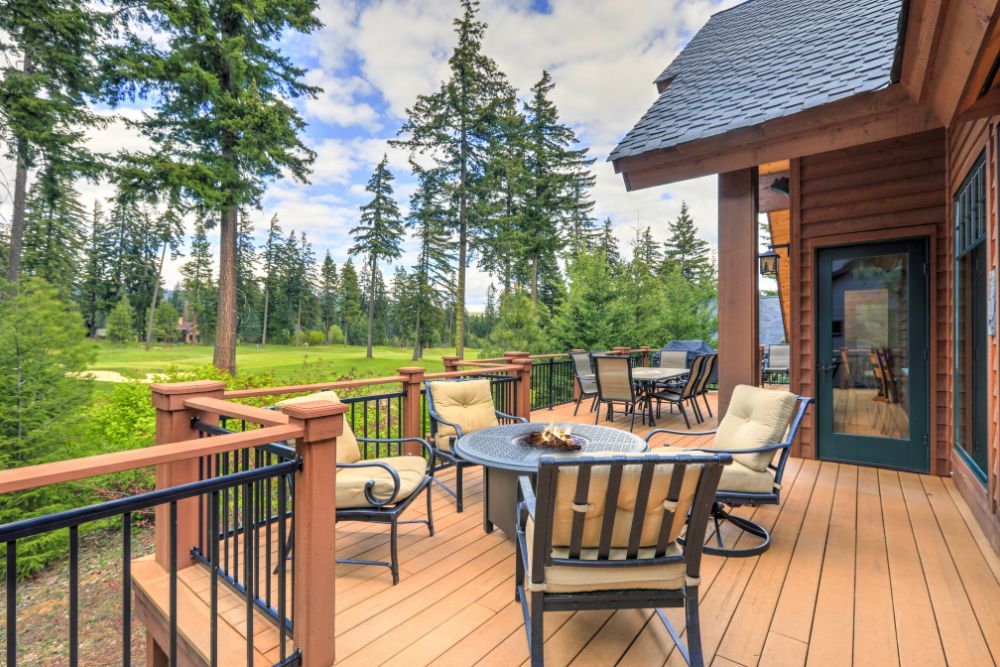
Features That Can Increase the Value of a Deck
Decks can be a huge selling point for homes, especially among buyers who want outdoor space they can use without leaving the property. But not all decks are made equally, and some will attract more attention than others. What buyers notice tends to come down to two things: the condition of the deck and the features it includes.
Let's look at common features and how each one can give buyers another reason to appreciate your deck.
Quality Decking Material
The material your deck is made from is one of the first things a buyer or appraiser notices. Pressure-treated wood is the most affordable option, but it requires regular sealing and can warp or splinter over time if not maintained. Composite decking, on the other hand, holds up against moisture and UV exposure without the same upkeep.
Buyers who don't want a maintenance project tend to gravitate toward composite surfaces because they stay looking clean without seasonal treatments. If your deck is wood, keeping it sealed and splinter-free is the baseline. If you're building new or replacing boards, composite is the version that tends to hold its value longer.
Built-In Seating
Built-in benches and seating along the perimeter of a deck do more than save space. They signal to buyers that the deck was designed thoughtfully. Freestanding patio furniture gets moved, stored, or left behind. Built-in seating is a permanent part of the structure, and that's exactly how buyers treat it when they're calculating what they're getting with the property.
Benches that double as storage boxes add another layer of practicality, especially in smaller outdoor spaces where there's nowhere else to put cushions, tools, or seasonal items. The cleaner the deck looks during a showing, the easier it is for buyers to see themselves using it.
Shade Structures
An open deck in direct sun is uncomfortable for most of the day in the summer. Shade structures solve that. Pergolas are the most common option because they add visual height to the deck without fully enclosing it. A pergola with a retractable canopy gives the homeowner control over how much sun comes through, which buyers tend to notice as a bonus.
Shade sails are a lower-cost option that can cover a large area, though they're less permanent than a pergola. If you have the budget, a solid pergola or attached roof extension is what adds the most to the deck's appeal and to the overall assessment of the property.
Outdoor Lighting
Lighting extends the usable hours of a deck. A deck that's only comfortable during daylight limits when buyers can picture themselves out there. Post cap lights, recessed deck lighting, and string lights all serve different purposes. Post cap lights and recessed options feel more permanent and tend to photograph better in listings. String lights are charming but read as decorative rather than structural, so they add ambiance without adding much to perceived value.
Low-voltage LED systems wired into the deck are the version that appraisers tend to give the most credit for because they're built in, energy-efficient, and not something the seller takes with them when they move.
Privacy Features
Buyers in suburban neighborhoods, or on decks that face neighboring yards, want to feel like the space is theirs. Lattice panels, vertical slatted fencing, and tall planters with greenery are all common ways to create that sense of enclosure without fully walling off the deck.
Privacy screens that are built into the railing system or framed into the deck structure add more to the property's value than a freestanding screen you could pick up at any home goods store. The more integrated the feature, the more buyers treat it as part of the deck itself rather than a temporary fix.
A Screened-In Porch
A screened-in porch is a major draw for buyers who want to spend time outdoors without the threat of buzzing mosquitoes or unpredictable weather cutting the evening short. While screens are more commonly installed during initial construction, there are ways to retrofit an existing deck with screens. This upgrade expands how the space can be used by giving buyers more protection from insects and sudden changes in weather.
Outdoor Kitchen or Grilling Station
A built-in grilling station or outdoor kitchen setup is one of the higher-cost additions, but it's also one of the features buyers remember after a showing. A standalone grill gets taken when the seller moves. A built-in station with counter space, a sink, or a mini-fridge becomes part of the home.
The more complete the setup, the more buyers factor it into what they're willing to pay. Even a modest built-in grill with a stone or tile surround adds a permanent cooking area that stays with the home.
Railing Design and Material
Railings are both a safety requirement and a design feature, and buyers notice when they look cheap or dated. Wood railings need regular painting or staining to avoid looking worn. Metal cable railings are a popular upgrade because they don't block sightlines, which makes a deck feel larger and keeps views intact. Aluminum and composite railings hold up without the same maintenance requirements as wood.
Buyers who are weighing two comparable homes will often favor the one with updated railings because it signals that the deck has been maintained well overall, not just cleaned up for the listing.
Deck Size and Functional Layout
Square footage counts, but layout counts just as much. A deck that's large enough to have a dining area on one side and a seating area on the other gives buyers a reason to use the space differently depending on the occasion.
Multi-level decks are another way to create functional zones without needing a massive footprint. A raised portion near the house works well for dining close to the kitchen, while a lower level can serve as a lounging area or a spot for a hot tub. Buyers who entertain are paying close attention to whether the layout actually supports it.
Low-Maintenance Finishes
Any feature that reduces how much the buyer will have to do after they move in adds to how they value the deck. Hidden fastener systems that eliminate visible screws give the surface a cleaner look and reduce places for water to pool. Composite boards with protective capping on all four sides resist staining and fading far better than uncapped composite or treated wood.
If the deck requires annual sealing, buyers are already calculating that as a recurring cost and a recurring task. The less maintenance the finished deck demands, the easier it is for buyers to see it as a benefit rather than a responsibility.
Which Deck Features Draw the Most Buyer Interest?
Buyers tend to value features that make a deck easier to use. Some want protection from the weather, while others put greater value on having a private outdoor space. What should you focus on first? Start with the deck’s condition, then look at additions that make the space more comfortable in everyday life. The best features that can increase the value of a deck give buyers fewer projects to imagine and more reasons to picture themselves outside.
South Florida Deck Considerations
In South Florida, buyers may place particular value on shade, insect protection, moisture-resistant materials, safe railings, functional lighting and outdoor areas that work for much of the year. Before adding or enclosing a deck, verify permits, structural requirements, wind considerations, drainage and association rules. Condition and workmanship usually matter more than adding features to a deck that already needs repair.
Helpful Real Estate Resources
Frequently Asked Questions
Which deck upgrades attract buyers?
Buyer appeal often comes from good condition, durable materials, shade, permanent lighting, privacy, flexible seating and dining zones, updated railings and low-maintenance finishes.
Does composite decking add value?
Composite decking may appeal to buyers who want moisture and UV resistance with less routine sealing than wood, though its market effect depends on condition, quality and local demand.
Is a screened deck valuable in South Florida?
Screening can make outdoor space more usable by reducing exposure to insects and some weather, provided the structure is well designed, permitted where required and properly maintained.
Does every deck upgrade increase appraised value?
No. An upgrade may improve function and buyer appeal without producing a dollar-for-dollar appraisal increase. Comparable sales, condition, workmanship and market demand still matter.
Wondering Which Outdoor Upgrades Matter to Buyers?
Request a property-specific real estate review before investing in improvements or listing your home.
Request a Home Valuation Call (954) 342-6180This article provides general educational information, not an appraisal, engineering opinion, construction guidance, permitting advice, legal advice, tax advice or guarantee of market value. Requirements, costs and buyer preferences vary. Consult appropriately licensed professionals before modifying a deck or making a property-specific financial decision.