What Types of Home Damage Should You Fix Before Listing?
Have a house that's just about ready to hit the market? Before you list, take the time to confirm that you've addressed these common types of home damage. Certain kinds of damage can cause a deal to fall through before closing. And that's not what you want. Knowing what buyers and inspectors flag most often gives you the upper hand before your home ever goes live.
Start With the Roof
Roof damage is one of the first things an inspector checks. A roof with missing shingles, visible sagging, or signs of active leaking is going to raise red flags during inspection. Even if the damage looks minor from the ground, water intrusion from a compromised roof can reach attic insulation, ceiling joists, and interior walls.
Get a licensed roofer to assess the condition before you list. If repairs are needed, document them. Buyers want proof the roof is in reasonable shape, not a promise that it probably is.
Address Foundational Cracks
Cracks along the foundation exterior or basement walls aren't something buyers scroll past. Some cracks are cosmetic, caused by normal settling over time. Others point to soil movement, water pressure, or drainage issues that have compromised the structural integrity of the home.
A structural engineer or foundation specialist can tell you which category your cracks fall into. If repairs are warranted, get them done and keep the documentation. Walking into a showing with proof of a repaired and inspected foundation shows buyers that the issue has already been evaluated and corrected, which can keep the crack from becoming a sticking point during negotiations.
Take Care of Water Damage and Staining
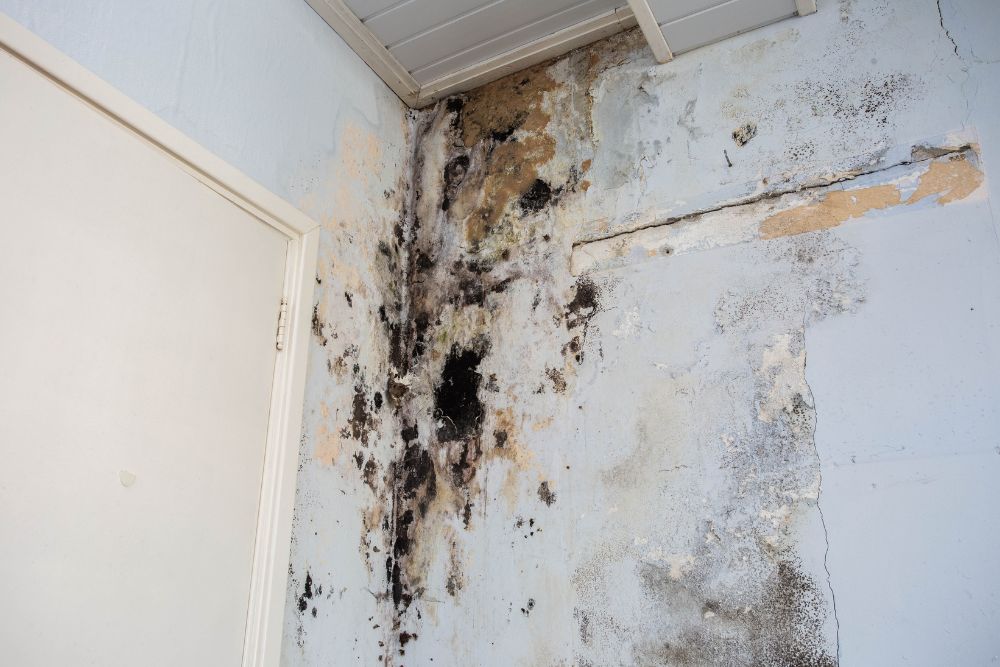
Water stains on ceilings and walls immediately raise questions for buyers. If the source of the leak has been fixed, you still need to address the staining and any resulting damage before listing. Drywall that absorbed moisture can warp or develop mold behind the surface, which may lead to additional repairs during inspection. Replacing damaged sections and repainting gives the room a cleaner appearance and removes visible damage that buyers could use during negotiations.
Look At the Drywall
That crack or soft spot in the drywall? You should repair it before the home goes on the market. Drywall plays a role in a home's insulation and energy efficiency, and damaged sections can compromise both. Beyond that, visible drywall damage in multiple rooms signals to buyers that the home hasn't been kept up, which invites lower offers and harder negotiations.
Fix Plumbing Leaks and Water Pressure Issues
Plumbing problems rarely stay hidden through a home inspection. Leaks under sinks, slow drains, inconsistent water pressure, and running toilets all come up during inspection reports.
Active leaks are the most urgent because they cause secondary damage to cabinetry, flooring, and subflooring over time. If you know there's a leak somewhere in the home, fix it now. Buyers who see plumbing issues on an inspection report automatically start calculating what else might be wrong, and that math never works in your favor.
Repair Electrical Issues
Outdated wiring, tripping breakers, non-functional outlets, and improper junction box covers are common inspection findings that buyers take seriously. Electrical issues carry safety implications, which means lenders sometimes won't approve financing on a home with unresolved electrical problems.
A licensed electrician can assess what needs updating and bring the home to current code. This is one area where cutting corners isn't an option. Buyers will ask for repairs or credits, and if the issue is serious enough, the deal can collapse entirely.
Assess HVAC Condition
Buyers want to know the heating and cooling system is functional and reasonably maintained. A system that's clearly old, making unusual sounds, or failing to heat and cool the home evenly is going to come up in negotiations.
Have the HVAC system serviced before listing. Replace filters, address any operational issues, and get a record of the service visit. If the system is near the end of its lifespan, being upfront about that is better than letting a buyer discover it during inspection without any documentation to support the home's condition.
Handle Flooring Damage
Warped hardwood, cracked tile, and soft spots in the subfloor all get noticed during showings. Warped flooring can indicate a past moisture issue, which buyers will want to dig into. Soft spots in the subfloor suggest the damage goes deeper than the surface. Cracked tile in high-traffic areas looks like the home hasn't been cared for.
Not every floor needs a full replacement before listing, but damaged sections that buyers will walk over during a showing are worth addressing. A home that feels sturdy underfoot makes a different impression than one that creaks and gives.
Check the Windows and Doors
Foggy double-pane windows have lost their seal, which means they're no longer insulating the home the way they should. Buyers notice this because it creates visible condensation between the panes that doesn't wipe away.
Sticking doors can point to foundation movement, humidity damage, or frame warping. While one sticking door might seem minor, a pattern of sticking doors and windows across the home suggests something bigger is going on. Reseal or replace compromised windows where you can, and address any doors that don't open and close cleanly.
Look Into Pest Damage
Termite damage, rodent activity, and wood rot from moisture and insects can be hidden behind walls and inside crawl spaces until an inspector finds them. In many states, sellers are required to disclose known pest activity. If you haven't had a pest inspection recently, schedule one before listing.
Active infestations need to be treated and documented. Structural damage from past activity needs to be assessed and repaired. Buyers who see pest-related findings on an inspection report get nervous, and nervous buyers either walk away or come in with a significantly lower offer.
Don't Overlook Mold
Mold is a deal-breaker for most buyers, and it's not something you can paint over and expect to stay hidden. Mold behind drywall, under flooring, or in crawl spaces spreads when moisture sticks around.
If you've had water intrusion in any part of the home, have the area tested before listing. Remediation done properly, with documentation, is far better than a buyer's inspector flagging active mold during due diligence. At that point, your options shrink and the buyer's leverage grows.
Before the Sign Goes in the Yard
Preparing a house for sale doesn’t mean repairing every scuff you can find. You’re looking for home damage before listing that affects how the property functions or raises questions during an inspection.
Walk through your home with a buyer’s perspective before photos are taken. If something looks damaged, figure out whether the problem goes deeper than the surface. Taking care of those repairs before the listing goes live reduces the number of unpleasant discoveries that show up after a buyer is already interested.
South Florida Repair Priorities
South Florida sellers should pay particular attention to roof condition, active water intrusion, mold or moisture evidence, HVAC performance, electrical safety, plumbing leaks, termite activity and any damage that may affect insurance or financing. Repair strategy should be property-specific: identify the cause, use appropriately licensed professionals, retain permits and invoices, and discuss disclosure obligations with qualified real estate and legal professionals.
Helpful Real Estate Resources
Frequently Asked Questions
What home repairs should sellers prioritize before listing?
Prioritize active leaks, safety hazards, structural concerns, electrical or plumbing defects, moisture damage, pests and other problems likely to affect function, insurance, financing or inspection results.
Should sellers repair mold before listing?
Known moisture sources and suspected mold should be evaluated by qualified professionals. Proper remediation and documentation are preferable to concealing visible evidence or waiting for the buyer's inspection.
Do sellers have to repair every defect?
Not necessarily. Repair priorities depend on condition, strategy, budget, market expectations and disclosure obligations. Cosmetic imperfections may be handled differently from safety, structural or active moisture problems.
Why keep repair records before selling?
Invoices, permits, warranties, inspection reports and service records can show buyers what was evaluated, who completed the work and when it occurred.
Not Sure Which Repairs Matter Before You Sell?
Request a property-specific pre-listing review. The Home Owners Listing Team can help you prioritize the issues most likely to affect presentation, buyer confidence and the transaction.
Request a Home Valuation Call (954) 342-6180This article provides general educational information, not legal, disclosure, insurance, appraisal, engineering, environmental, mold-remediation, construction, tax or inspection advice. Conditions and requirements vary. Consult appropriately licensed professionals for the property and transaction, and do not conceal known defects.